Follow the Possession After Everyone Else Looks at the Shot
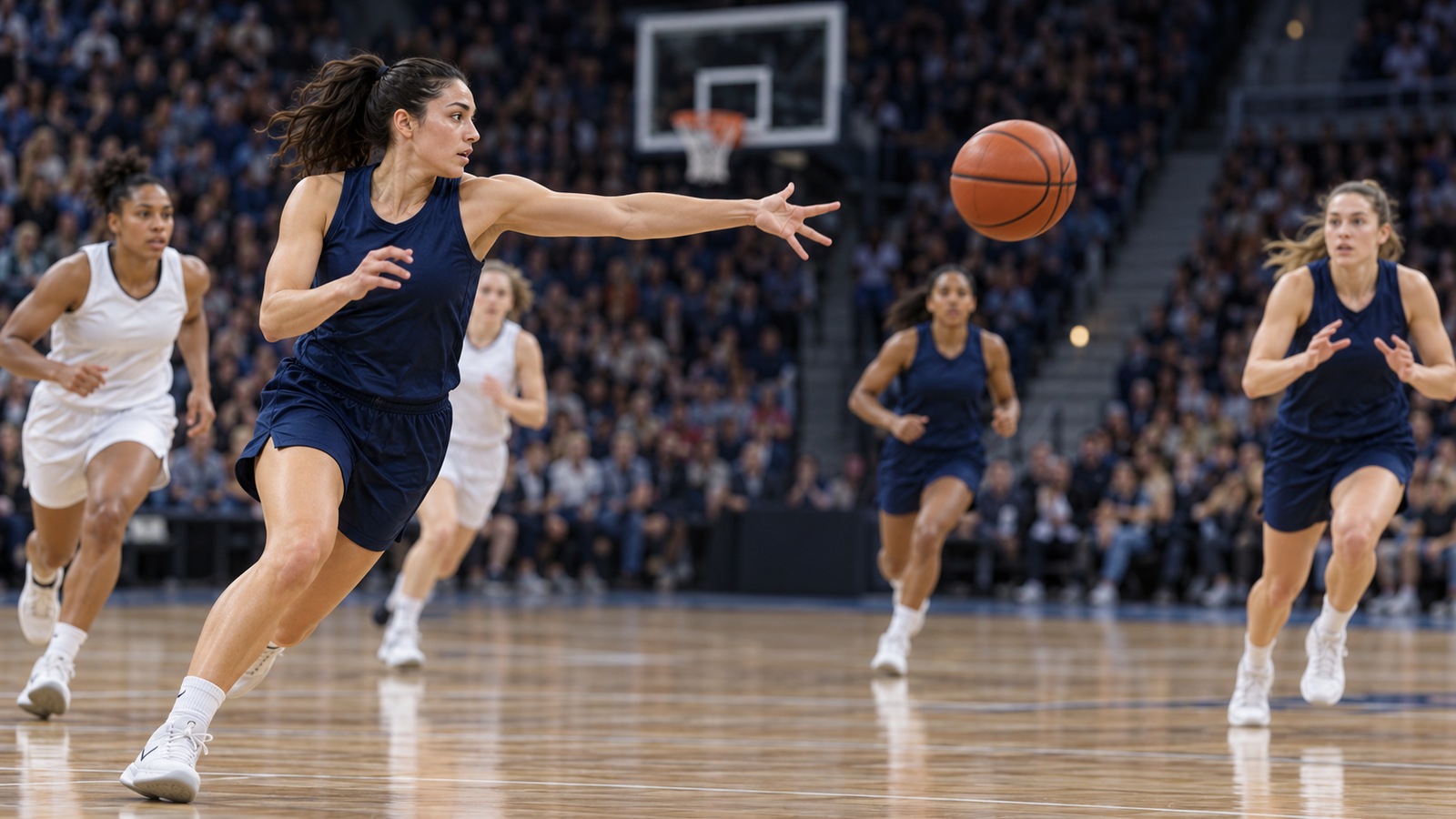
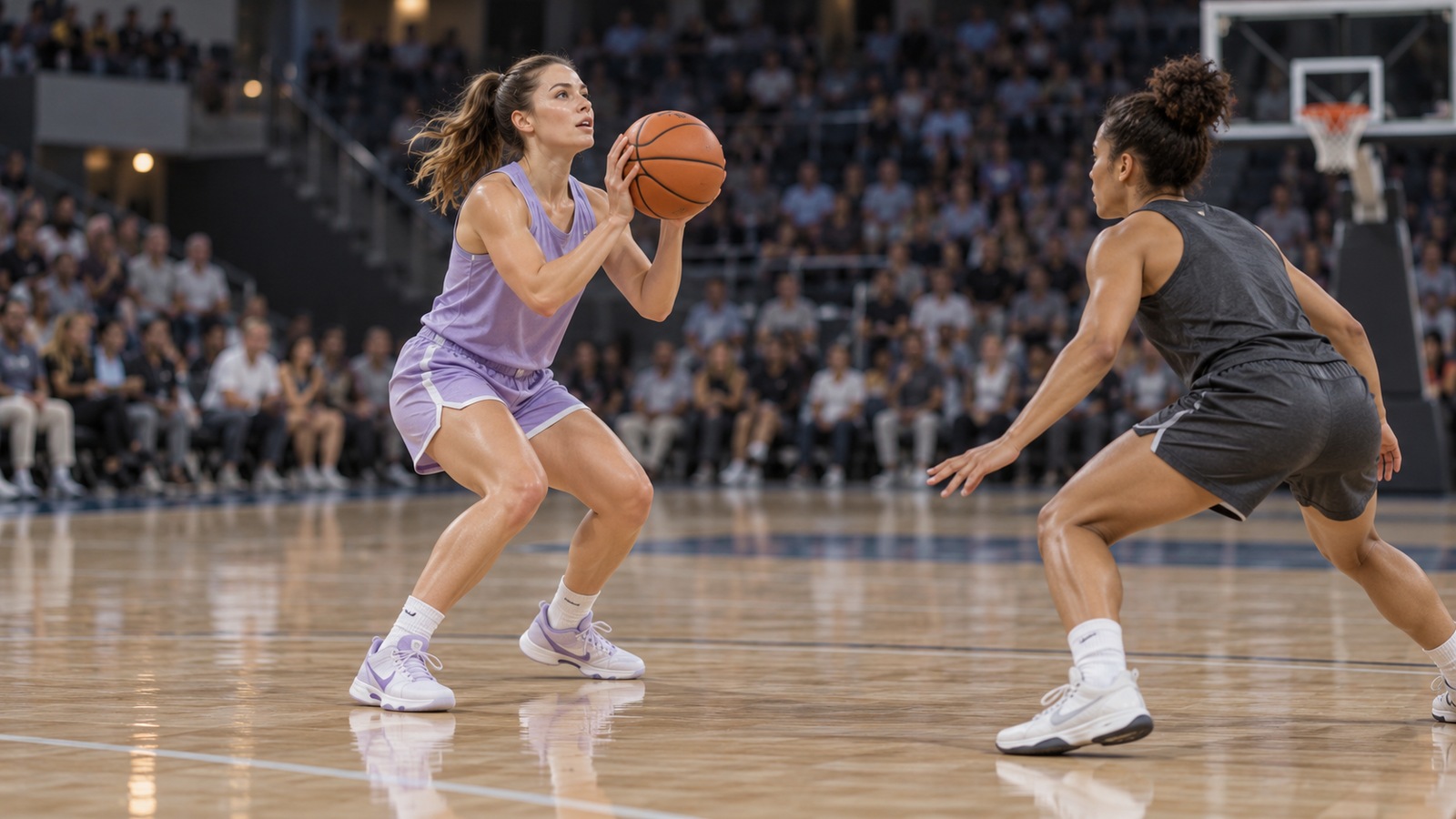
Angel Reese’s basketball is easiest to understand when the ball is still in the air. Before a rebound becomes a statistic, she is judging its path, finding an opponent, claiming space, and preparing to make another effort if the first contact does not settle the play. That work helps explain a career whose public image can sometimes obscure its most distinctive skill. This cross-sport basketball profile gives soccer readers a close look at the positioning and repeated effort behind a possession statistic, without treating a basketball rebound as the same task as winning a football duel. From Maryland to LSU, then Chicago and Atlanta, Reese has built her profile through repeated possession battles, competitive presence, and an evolving professional role. Her 2023 national championship and early WNBA rebounding achievements are important landmarks, but the story now includes verified 2026 developments as well. This overview connects those milestones to the craft behind them, distinguishes different kinds of statistical evidence, and examines a player whose impact deserves more precise attention than a conversation limited to personality or rivalry.
A: No. She began at Maryland before transferring to LSU.
A: LSU won the 2023 NCAA women's championship.
A: The Chicago Sky selected her seventh overall in 2024.
A: The Atlanta Dream acquired her from Chicago.
A: Anticipation, positioning, contact management, balance, and repeated effort all affect the outcome.
A: One can extend your attack; the other can complete a defensive stop.
A: Consider the full sequence, including the original shot and the next decision.
A: She was named WNBA Defensive Player of the Year.
A: Different positions and responsibilities create different types of contribution.
A: It includes the completed 2026 regular season and the announced defensive award.
Rebounding Is the Starting Point, Not the Whole Description
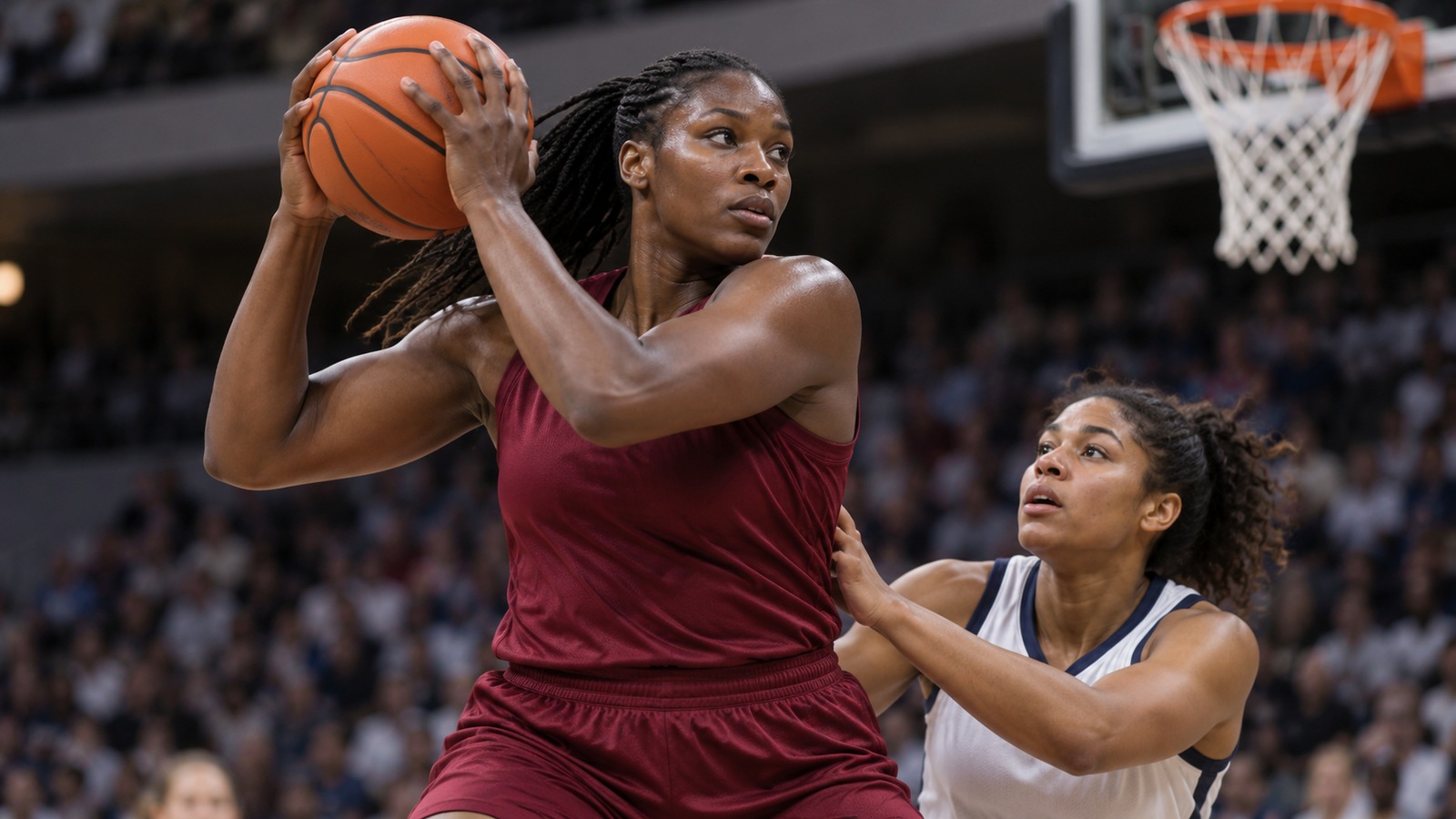
A rebound is recorded when a player controls the ball after a missed shot, but the event begins earlier. Reese’s effectiveness depends on anticipation, position, contact, balance, and persistence. Those components explain why rebounding should not be dismissed as simply being near the basket. They also explain why the final count can conceal different kinds of work: a defensive rebound can complete a stop, while an offensive rebound can extend a possession that appeared to be ending. Her profile starts with this skill because it connects her college identity to a clear and repeatedly demonstrated professional strength.
Maryland and LSU Formed Different Chapters
A Baltimore-area player, Reese began her college career at Maryland before transferring to LSU. The distinction matters because her nationally celebrated LSU years were not the whole of her college development. Changing programs meant entering a different team environment and finding a role within it. For a player profile, that transition provides context rather than a ready-made explanation of every later success. Talent, health, opportunity, teammates, and coaching all contribute to what a player can show. A transfer is a career event, not by itself proof that a single factor transformed the athlete.
At LSU, Reese’s interior production became central to a team that attracted a large national audience. Her ability to compete for rebounds and create additional opportunities gave the Tigers value beyond an initial scoring action. A possession could continue because she reached the ball again, and a defensive sequence could finally end because she secured it. That kind of contribution becomes especially important when games are physical and early offensive plans fail. It allows a team to keep working after the first attempt produces a miss rather than a clean finish.
The public attention around LSU also made Reese a highly visible representative of women’s college basketball. Visibility can introduce new supporters while encouraging arguments that have little to do with the details of play. A useful profile keeps the basketball in view. It asks what she did within the team, how the role created opportunities, and where the performances fit in the actual career sequence. That approach makes room for her public significance without allowing every discussion of the athlete to become a discussion of the surrounding attention alone.
The 2023 Championship Established a Lasting Landmark
LSU won the 2023 NCAA women’s championship, and Reese received the tournament’s Most Outstanding Player honor. Those are separate but connected achievements: the title belonged to the team, while the individual recognition identified her outstanding tournament contribution. The Tigers’ victory over Iowa placed the final in front of a particularly large audience and made the players enduring reference points in the sport’s wider conversation. The result should still be described as a complete team performance. No championship can be explained adequately by isolating one personality from the teammates and staff who helped produce it.
Reese continued at LSU for another season and was named SEC Player of the Year in 2024 before entering the professional draft. That sequence is useful because it shows that her college story extended beyond one famous final. The sustained work involved league games, repeated scouting, and the expectations that follow a championship. A player can become identified with a single event while continuing to build through less celebrated performances. For Reese, the college record supplied a clear foundation for a professional profile centered on rebounding, interior activity, and competitive responsibility.
Chicago Selected a Distinctive Frontcourt Skill Set
The Chicago Sky selected Reese seventh overall in the 2024 WNBA Draft. Entering the league required her to compete against experienced professionals who could match physical effort with technique and anticipation of their own. The transition was therefore more than an opportunity to repeat college actions against different uniforms. Positioning windows became contested differently, finishing attempts met stronger resistance, and defensive responsibilities depended on the team’s chosen coverage. Her immediate rebounding production demonstrated a skill that translated, while other parts of the game remained open to development. Both observations belong in the same account of a young professional’s first season.
The Rookie Rebounding Run Made the Translation Visible
Reese averaged 13.1 rebounds per game in 2024 and recorded a run of fifteen consecutive double-doubles. The WNBA’s official biography records those rookie landmarks. A double-double combines double figures in two statistical categories, most commonly points and rebounds in her case. The sequence demonstrated repeated production rather than one exceptional box score. It did not mean every possession was equally effective or that every dimension of her game was finished. It established that an important college strength could create substantial value on professional courts.
The next season brought further development in Chicago, including increased playmaking responsibility and continued high-level rebounding. A career profile should recognize that progression without treating every change in an average as a clean measurement of individual improvement. Minutes, teammates, assignments, and availability influence the numbers. The productive question is which actions changed and how they served the team. A pass that connects an interior touch to an open teammate, for example, adds a different kind of value from securing another rebound, even when both occur within the same statistical line.
Atlanta Added a New Team Context in 2026
On April 6, 2026, Atlanta announced that it had acquired Reese from Chicago. The Dream’s trade announcement establishes the change in teams. That move is essential to an up-to-date profile: describing her simply as a current Sky player would now be wrong. It also creates a useful analytical distinction. The same athlete can produce different results inside a new roster and system, because spacing, defensive responsibilities, and the skills of surrounding players change what opportunities and problems the individual encounters.
Reese’s completed 2026 regular season included averages of 16.4 points, 12.1 rebounds, and 2.8 assists. Those figures appear on her league profile and provide a concise description of production in the Atlanta setting. They should be labeled as regular-season averages rather than blended with playoff or international statistics. The separation matters when readers compare career stages. Different samples can tell different stories, and an apparently simple number becomes misleading if its season, competition, or type of game is left unspecified. Clear labeling is part of accurate player analysis.
The league named Reese its 2026 Defensive Player of the Year. Atlanta’s official award announcement also described a record-setting rebounding season. The honor broadens the public understanding of her impact beyond offensive putbacks or a double-double counter. It remains an award based on a particular season, rather than a reason to stop examining individual defensive possessions. Her current profile includes a major defensive achievement alongside ongoing questions about role, execution, and development, which is a more useful combination than treating recognition as the end of analysis.
Separate Possession Value From a Single Total
Defensive and offensive rebounds perform different jobs, and their context matters. Securing an uncontested defensive ball is useful without being identical to winning a difficult offensive contest between two opponents. An offensive rebound after a missed shot can create another attempt, but the full sequence still includes the quality of the original attempt and the eventual outcome. This is why a careful evaluation neither dismisses all rebounds as interchangeable nor treats every extra rebound as an equally large addition to team performance. Watch the possession from its beginning, identify who creates or removes an advantage, and then use the recorded event as one piece of the explanation.
Finishing and Passing Shape the Next Development Questions
For an interior player, winning the ball and converting the next opportunity are connected tasks. Finishing through contact, choosing when to go back up, and recognizing an open teammate can determine whether a rebound becomes a valuable extra possession or another difficult attempt. These are useful development questions because they identify basketball actions rather than vague demands to become better. They also allow progress to be observed even when a single scoring average does not change dramatically. Decision quality can improve through the choices made after the ball is secured.
Spacing creates another part of that discussion. Opponents respond to where a player can score and how quickly she can move the ball when help arrives. A team can use screening, cutting, and passing relationships to make an interior presence productive in different ways. Reese’s development should therefore be assessed within the offensive arrangement rather than as a collection of isolated skills. The relevant question is how her strengths combine with those around her, and which improvements would create more reliable options when a defense takes away the first available action.
The Public Story Should Leave Room for the Basketball
Reese’s fame includes championship attention, professional achievements, and a prominent public identity. Those elements can bring people into the sport, but they can also compress a player’s career into a comparison with someone else. Her path is not adequately explained through a single rivalry. She plays a different role from a ball-dominant perimeter guard, faces different defensive tasks, and produces value through a different set of actions. Comparing players can be interesting when the comparison respects those responsibilities instead of assuming that one shared headline means their games answer the same questions.
The profile also remains a developing career account. This article uses verified information through the completed 2026 regular season and the announced defensive award. It does not invent a later championship outcome or turn a promising future into a settled list of honors. That boundary allows readers to understand the current record without confusing it with prediction. It also leaves space for change: a young frontcourt player can retain an exceptional established strength while continuing to improve the decisions and techniques that determine how that strength works in different team settings.
To understand Reese, watch the possessions that begin after the first shot leaves the shooter’s hand. Follow her position, the opponent’s response, the contact, and the decision once she gains control. Then widen the view to defensive communication and the teammates involved in the next action. Her career landmarks provide the chronology from college champion to an Atlanta defensive award winner. The repeated work within those possessions explains the sporting identity connecting the milestones: a frontcourt player whose pursuit and control of the ball can extend an attack or finally complete a defensive stop.