The Women’s World Cup Is the Game’s Global Showcase
The Women’s World Cup is where the sport’s history, politics, talent, and public imagination meet in one tournament. It has grown from a relatively young FIFA competition into a stage that can change careers, reshape national programs, and introduce entire countries to players they may follow for years. The tournament is not only a list of winners, although that list matters. It is a record of how women’s soccer fought for visibility, expanded its competitive map, and proved that the global audience was waiting for a serious event with real stakes.
A: The United States has won the most titles, with four championships.
A: Spain won the 2023 tournament, defeating England in the final.
A: The first official FIFA Women’s World Cup was played in 1991.
A: A larger field gives more regions meaningful access to the biggest stage.
A: It can be, but national teams have less training time, so clarity and adaptability matter more.
A: They can, especially when tournament stars return to clubs with new visibility.
A: Hosts shape atmosphere, attendance, travel, and the local legacy after the tournament.
A: Yes. The professional talent pool is widening, and more teams can now trouble traditional powers.
A: Balance: reliable defending, midfield control, set-piece quality, and finishers who can decide tight games.
A: Because visibility, investment, and competitive depth are growing at the same time.
From Late Recognition to Global Stage
The Women’s World Cup began late compared with the men’s tournament, and that timing still shapes how we read its history. The first editions were not minor because the players lacked quality; they were limited because the institutions around them had not yet built the platforms that international women’s football deserved. That distinction matters. The tournament’s growth reflects a correction as much as an expansion.
As FIFA and national federations gradually gave the event more visibility, the competition became a marker for how seriously countries treated the women’s game. Nations with better youth systems, domestic leagues, and support staff were more likely to survive the pressure of a month-long tournament. The World Cup became a scoreboard for investment as well as football ability.
The modern event now carries the full emotional weight of a global championship. Players walk into stadiums knowing that a single match can change public perception at home. That pressure is not a distraction from the sport; it is part of what makes tournament football powerful.
That is why the early years deserve respect rather than condescension. Players competed inside a smaller tournament world while carrying ambitions much larger than the event around them. They were not waiting for the game to become real; they were making it real in front of institutions and audiences that had not yet caught up.
The Winners Tell the Story of Different Eras
The United States shaped the early mythology of the tournament. Its success came from a mix of competitive culture, college pathways, pioneering stars, and a national team that became familiar far beyond normal soccer audiences. Every later champion has been measured against that standard, even when their style and development model looked very different.
Norway and Germany showed the importance of structure. Japan offered a different lesson in 2011, using technique, patience, and collective trust to win one of the sport’s most memorable titles. Spain’s 2023 victory added another chapter, proving that a possession-driven player-development model could move from youth success to senior world champion status.
That variety is what makes the winner list more interesting than a simple ranking. Each champion reveals something about the era it conquered. Power, technique, organization, resilience, and tactical identity have all had their moments.
Why the 2023 Tournament Felt Like a Turning Point
The 2023 edition mattered because it expanded to 32 teams and was staged across Australia and New Zealand. Spain won the title, England reached the final, Sweden claimed third place, and Australia’s run electrified the host nation. The tournament showed both elite quality and a wider competitive field, which is the combination global football needs.
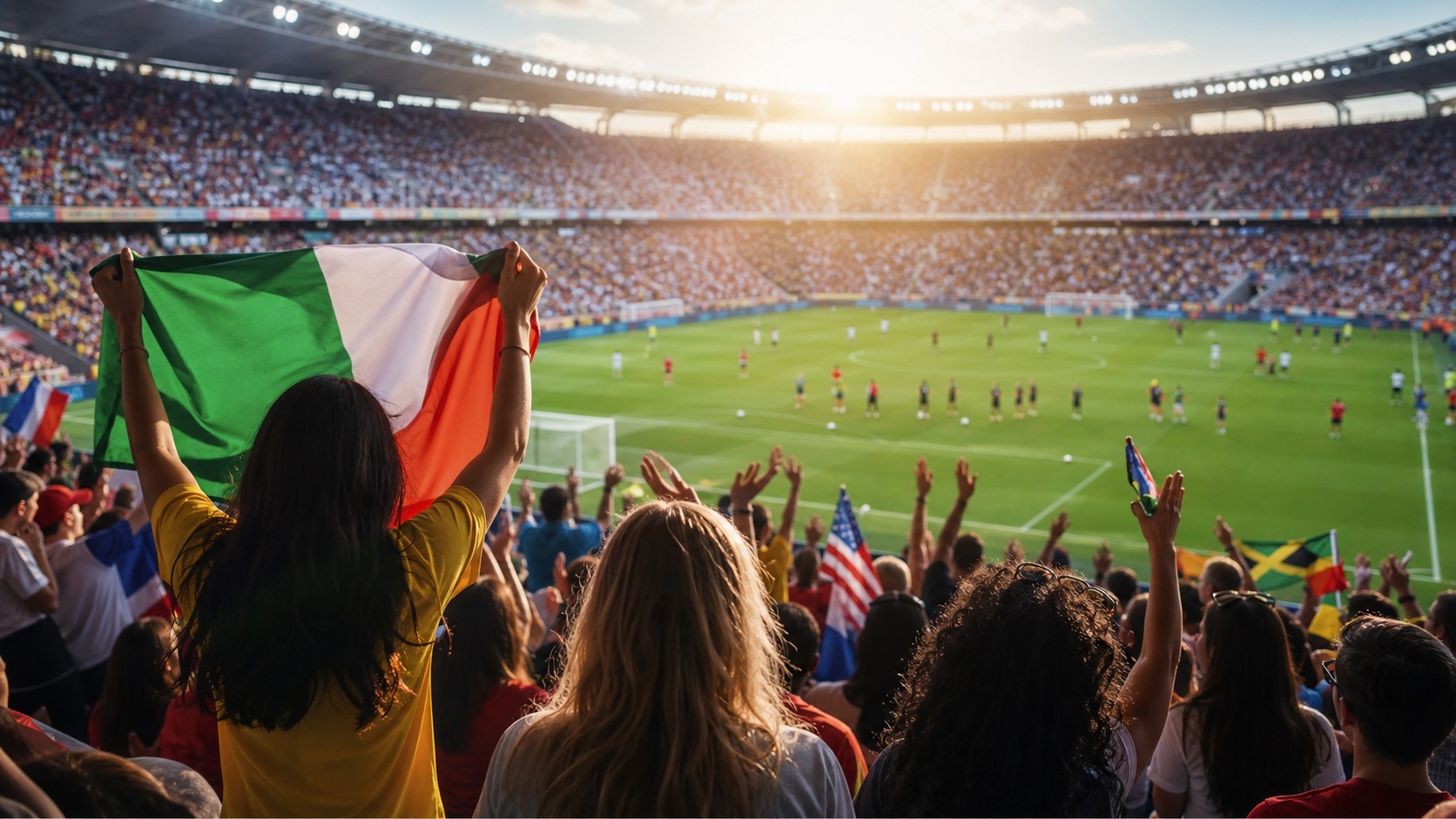
Expansion also changed the emotional geography of the event. More teams meant more fan bases, more regional stories, and more players who could return home as visible symbols of possibility. Some matches were uneven, as expanded tournaments often are, but the bigger picture was clear: the sport had outgrown the old limits placed on it.
The official FIFA record lists Spain as the 2023 champion and also tracks the tournament’s awards and match history. Those details matter because they anchor memory. Fans may remember the final first, but the full event is built from group-stage breakthroughs, goalkeeping performances, tactical adjustments, and the long arc of teams learning how to compete on a bigger stage.
The 2023 tournament also changed expectations for host nations. Australia’s run, New Zealand’s opening win, and the shared regional atmosphere showed that the event could create local memories even outside the final. A World Cup becomes more powerful when the hosts do not merely stage matches, but feel transformed by them.
Spain’s title, officially recorded by FIFA after a 1-0 final victory over England, also gave the competition a new champion at a time when the sport needed signs of competitive expansion. The winner list remained exclusive, but it no longer felt closed.
World Cups Change What Happens After the Final
A World Cup does not end when the trophy is lifted. The best tournaments change what happens next: more girls sign up, more supporters buy tickets, more clubs face questions about investment, and more broadcasters recognize that women’s football has durable value. The afterlife of a tournament is where legacy becomes measurable.
The danger is that a federation or club treats tournament attention as a temporary glow. If a national team performs well but domestic players return to weak leagues, poor facilities, or limited coaching, the moment can fade. Lasting impact requires a bridge between the festival of the World Cup and the ordinary week-by-week work of football development.
How to Understand the Next Era
The next era of the Women’s World Cup will likely be defined by depth. Traditional powers will still matter, but more countries are capable of producing elite players, organized teams, and tactical surprises. That makes preparation harder for favorites and more exciting for neutral viewers.
Fans should watch not only who wins, but how many teams arrive with a real plan. Can they press? Can they build? Can they survive pressure? Can they change shape without panic? Those questions reveal whether the tournament is becoming more competitive from top to bottom.
The Women’s World Cup is already a major event. Its future significance will depend on whether the world game uses it as a ceiling or a foundation. The healthiest version is obvious: a tournament that still creates spectacular one-month drama, while also pushing everyday women’s soccer to become stronger everywhere.
The tournament’s future will also depend on how it handles scale. Expansion creates opportunity, but it must be paired with better qualifying structures, stronger regional competitions, and more federation accountability. A bigger World Cup should not simply add teams; it should help those teams arrive better prepared.
Why Winner Lists Need Context
Winner lists are useful because they give history shape. The United States, Germany, Norway, Japan, and Spain each mark a different phase of the competition. But a winner list alone can flatten the story. It does not show near misses, tactical revolutions, player disputes, federation failures, or the countries that changed public feeling without lifting the trophy.
A semifinal run can matter deeply. A first knockout win can change a federation’s priorities. A host nation can create a generation of supporters even if it falls short of the final. The World Cup is a trophy competition, but its influence is larger than the champion line.
That broader view helps new fans understand why the tournament is so emotionally loaded. Every match sits inside a longer fight for recognition, investment, and sporting legitimacy.
The Best Way to Follow the Tournament
The best way to follow a Women’s World Cup is to combine the big picture with small tactical details. Know the favorites, but watch the fullbacks. Know the title history, but notice how a lower-ranked team defends the space behind its midfield. Know the stars, but pay attention to the substitute who changes the game after sixty minutes.
That kind of watching makes the tournament richer. It turns a global event into a series of football problems: how to handle pressure, how to create width, how to survive transitions, how to stay brave when the crowd senses panic. The Women’s World Cup matters because it contains all of that, and because the world is finally learning to look closely.
The Tournament Creates Football Memory
World Cups matter because they create memory at a scale ordinary competitions rarely match. A child may not understand federation budgets, league structures, or qualification formats, but she can remember a save, a celebration, a missed penalty, or a crowd that made the sport feel enormous. Those memories become entry points.
This is why tournament storytelling matters. The event needs more than match results; it needs context that explains why a veteran captain is emotional, why a debut nation’s first goal matters, or why a tactical adjustment changed a knockout match. Without that context, viewers see only spectacle. With it, they join the history.
The Women’s World Cup is still young enough that its mythology is being actively built. Fans today are not merely inheriting a century-old archive. They are watching the archive grow in real time.
That freshness gives the tournament unusual energy. It honors pioneers while leaving room for new countries, new stars, and new styles to become central sooner than many people expect.
Why Qualification Deserves Attention
Qualification is often overlooked, but it determines whether the World Cup truly represents global growth. Strong regional qualifying gives teams pressure before the main event and helps federations measure progress honestly. Weak preparation can leave countries exposed once they reach the tournament.
For emerging programs, qualification campaigns can be transformative even without a deep World Cup run. They create meaningful matches, identify tactical gaps, and give players experience in games that carry consequence. That is how national teams learn the habits required for bigger stages.
Fans who follow qualifying understand the World Cup better. They see which teams arrived through difficult paths, which regions are improving, and which federations are building something that could matter two cycles from now.
The Tournament’s Lasting Value
The lasting value of the Women’s World Cup is that it gives the sport a shared calendar and a shared memory. Even people who follow different clubs or leagues can meet around the same tournament and argue from the same evidence. That common stage makes the game easier to enter and harder to ignore.
It also gives federations nowhere to hide. A country that arrives underprepared is exposed in public, while a country that invests well can turn one month into years of momentum. That pressure is uncomfortable, but it is useful. The World Cup’s biggest gift may be that it makes ambition visible.
A Useful Way to Remember It
A useful way to remember the Women’s World Cup is as both archive and accelerator. It records who won, who hosted, and who changed the knockout rounds, but it also pushes the next version of the sport forward. Every edition leaves behind evidence that clubs, federations, broadcasters, and supporters must decide how seriously to use.
Why the Event Keeps Expanding
The event keeps expanding because the competitive base keeps asking for room. More countries have players capable of handling the stage, and more supporters want to see their own national stories represented. Expansion is not automatically successful, but it is a recognition that the old field could not contain the sport’s ambition.
The task now is to make expansion meaningful. That means stronger preparation, better regional tournaments, and investment that reaches teams before they appear on television. A bigger World Cup should feel like a wider competition, not just a longer one.