The Fastest Growth Comes From Many Forces at Once
Women’s soccer is growing faster than ever worldwide because several long-delayed changes are finally happening together. More girls can enter the sport, more elite players can train professionally, more clubs see the women’s team as a serious asset, and more supporters can watch matches without hunting for a stream. The growth is not magic, and it is not only the result of one World Cup or one famous player. It is what happens when demand, access, investment, and storytelling begin to reinforce each other after decades of being held apart.
A: The biggest reason is the combination of access, investment, media visibility, and proof that audiences already exist.
A: Commercial interest matters, but it depends on sporting quality and community participation underneath it.
A: They make the player pool larger, younger, and better trained before professional clubs ever sign talent.
A: Yes, but big clubs can accelerate visibility when they invest seriously rather than symbolically.
A: Yes. It gives players direct visibility and helps fans follow stories across leagues.
A: Reliable ownership, good calendars, player welfare, competitive balance, and consistent broadcast access.
A: They often combine federation support, club investment, school access, and public enthusiasm.
A: Yes. Calendar congestion, uneven pay, injuries, and shallow squads can appear when expansion outruns planning.
A: Both. Some arrive through family and community, while others add women’s teams to existing soccer habits.
A: Consistent league attendance, strong youth pathways, stable jobs, and media coverage between tournaments.
Access Is the First Multiplier
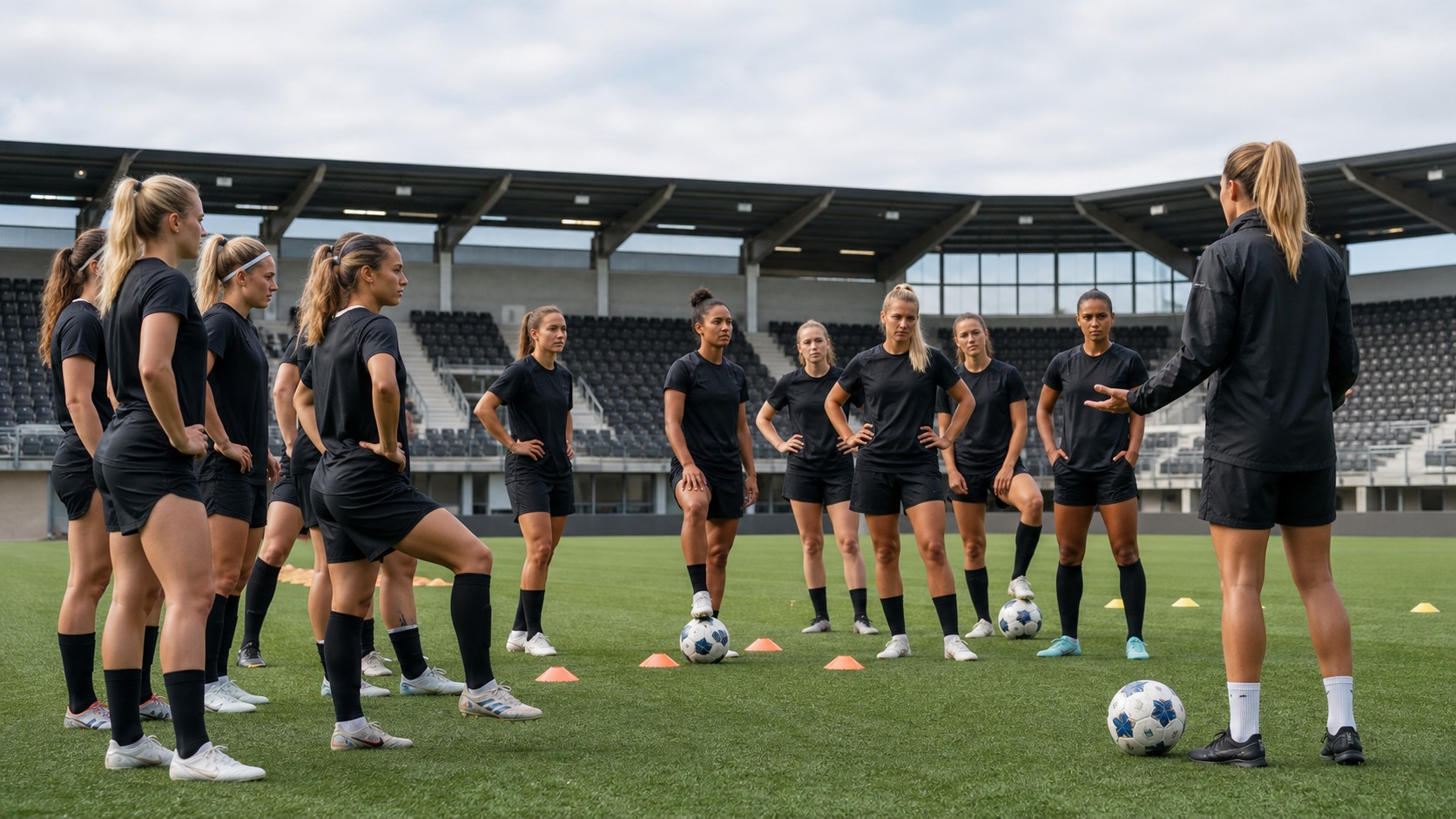
The simplest reason women’s soccer is growing is that more girls are being allowed to play, and more of them are being given reasons to stay. Access sounds basic, but it changes everything. A country cannot produce elite players at scale if large parts of the population never receive coaching, safe fields, family support, or competitive matches during the years when technique is built.
Once access improves, the sport’s ceiling rises quickly. More players mean more styles, more late bloomers, more positional specialists, and more competition for places. That pressure raises standards. It also changes culture because younger players no longer see themselves as unusual for wanting the ball at their feet.
The best development systems understand that access is not only about opening registration. It includes affordability, transport, coaching quality, safeguarding, equipment, and the belief that girls deserve the same seriousness as boys. When those pieces are present, growth stops being symbolic and becomes structural.
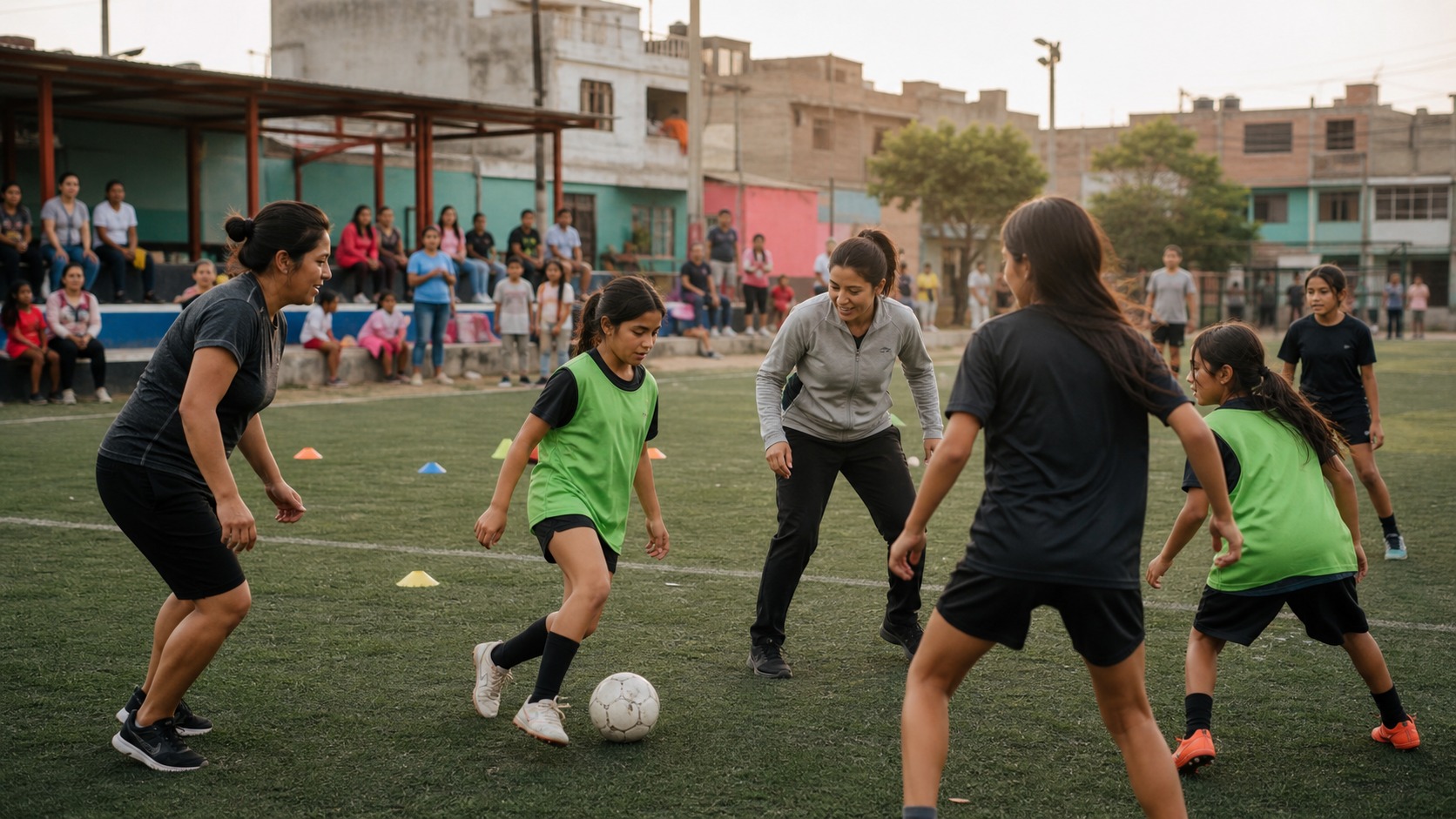
Access also changes the emotional relationship families have with the sport. When a girl can join a local team, see older players coaching, and watch professionals who look like possible futures, soccer becomes part of family routine rather than a distant spectacle. That is how participation turns into belonging.
Professional Conditions Are Raising the Level
The jump from amateur or semi-professional conditions to full-time preparation changes the sport immediately. Players can train more intelligently, recover more completely, study opponents, and build strength without exhausting themselves through outside work. The improvement is visible in match tempo, pressing intensity, and the ability to maintain quality late in games.
Professionalization also changes coaching. A staff with analysts, sports scientists, goalkeeper coaches, and medical specialists can solve problems that once stayed invisible. A winger’s workload can be managed. A midfielder’s passing options can be mapped. A defender’s recovery from injury can be planned rather than guessed.
This is why investment is not merely a fairness issue. It is a performance issue. Fans who want better football should care about contracts, facilities, and medical support because those conditions shape what appears on the pitch.
Media Has Turned Curiosity Into Habit
For years, one of the biggest barriers was not lack of interest but lack of access. Fans could hear about a player, then struggle to find the next match. That gap made it difficult for casual attention to become habit. Streaming platforms, improved broadcast deals, and better social coverage have narrowed that gap in many markets.
Habit is the real prize. A single final can attract millions, but a healthy sport needs people to know when the league match is on, why the derby matters, which player is returning from injury, and what a result means for the table. Media does that connective work.
The tone of coverage matters too. Women’s soccer grows faster when broadcasters analyze tactics, mistakes, form, and pressure with the same seriousness used elsewhere. Celebration brings people in, but analysis keeps them engaged.
The platform has also become more fragmented in useful ways. A fan might discover a player through a national team clip, follow her club through streaming, learn the league through a podcast, and then buy tickets when the team visits nearby. No single gatekeeper controls the whole journey anymore.
That makes storytelling more resilient. If one broadcaster ignores the sport, supporters can still build conversation elsewhere. Independent journalists, player channels, tactical accounts, and club media all help keep the game alive between headline moments.
Club Brands Help, but They Are Not Enough
Major clubs can accelerate growth because their badges already carry emotion. A supporter who follows a club’s men’s team may be willing to sample the women’s team because the colors, stadium, and rivalry language feel familiar. That head start is powerful, especially in Europe, where established clubs have infrastructure that newer women’s organizations may lack.
Still, a badge cannot substitute for care. Supporters notice whether matches are promoted properly, whether players are introduced as serious athletes, and whether the club invests in facilities instead of treating the team as a public relations accessory. The women’s side needs its own identity, not just borrowed prestige.
The healthiest clubs combine both. They use the existing brand to open the door, then allow the women’s team to build its own memories, heroes, disappointments, and traditions.
Growth Will Be Judged by Depth
The next question is not whether women’s soccer can produce big events. It already can. The harder question is whether more leagues can develop depth, whether more countries can build competitive national teams, and whether more players can earn stable careers without leaving home too early.
Depth is what makes growth durable. It means mid-table clubs can challenge favorites, substitutes can change matches, and national teams can survive injuries without collapsing. It also means fans have more reasons to watch beyond the biggest names.
Women’s soccer is growing fast because the world is finally seeing what was always possible. The challenge now is to make that growth fair, broad, and resilient enough to survive normal sporting pressure. That is when a movement becomes an ecosystem.
Depth will also determine whether growth feels global or merely exported from a few wealthy centers. If elite players must leave home to become professionals, the sport may improve at the top while local ecosystems remain thin. The strongest future is one where more countries can keep talent long enough to build identity at home.
Why Faster Growth Creates Higher Expectations
Rapid growth brings scrutiny. Fans who pay for tickets and subscriptions expect reliable schedules, clear broadcasts, competitive matches, and professional standards. That pressure is healthy, but it can feel abrupt for leagues that spent years operating with limited resources and minimal attention.
The solution is not to lower expectations. It is to match them with planning. Leagues need transparent calendars, clubs need credible staffing, and federations need to treat women’s programs as long-term sporting infrastructure. Growth becomes dangerous only when leaders enjoy the spotlight without building the floor beneath it.
Higher expectations also mean tougher conversations about tactics, transfers, and coaching. That is part of normalization. The sport is not growing so it can be politely applauded forever; it is growing so it can be competed, argued, analyzed, and loved with full seriousness.
The Human Scale Still Matters
Even as the game becomes more commercial, the human scale remains one of its strengths. Many supporters feel closer to players, clubs, and local programs than they do in older, more distant sports markets. That closeness can be a competitive advantage if the sport protects it.
Community clinics, affordable tickets, player access, and visible youth pathways are not small extras. They are part of why the growth feels authentic. Women’s soccer can become bigger without losing the sense that new fans are helping shape the culture as it forms.
The Feedback Loop Is Finally Working
The fastest growth happens when success creates the conditions for more success. A strong tournament brings viewers. Viewers create commercial interest. Commercial interest funds better coverage, better salaries, and better facilities. Those improvements raise the level of play, which gives viewers more reason to return. For years, women’s soccer was denied that loop.
Now the loop is visible in more places. A player who performs well internationally can bring attention to her club. A club that invests well can improve its national-team pipeline. A broadcaster that tells better stories can help casual fans understand why a midseason match matters. Each part strengthens another.
The risk is that leaders see the loop and try to extract from it too quickly. Ticket prices, sponsorship demands, and fixture expansion all need care. Growth should make the sport stronger, not simply busier.
When the loop is managed well, the result is powerful. Players receive better support, supporters receive better football, and institutions receive proof that serious investment can return both cultural and commercial value.
The Next Markets Could Change the Map
The future may be shaped by markets that are still building their women’s soccer infrastructure now. Countries with large populations, deep football cultures, and improving youth access can alter the competitive map quickly if federations commit. The talent is often present before the pathway is ready.
That is why development outside the wealthiest leagues matters so much. If more regions create stable competitions, the global player pool becomes broader and less dependent on migration to a few European or North American destinations.
A wider map would make every major tournament more interesting. It would also make the sport more just, because talent should not depend so heavily on whether a player was born near an established pathway.
Why Momentum Must Be Protected
Momentum is powerful, but it is not permanent by itself. Leagues still need sensible schedules, clubs still need patient owners, and players still need workplaces that protect their bodies and careers. The sport has earned attention; the next responsibility is to make that attention livable for the people producing it.
That means growth should be judged by the ordinary season as much as the record crowd. If players are paid, coached, treated, and promoted properly when the cameras are less dramatic, the worldwide rise can keep expanding. If not, the sport will still produce moments, but it will waste too much of its own possibility.
The Growth Is Still Being Built
The speed of the rise should not make the work invisible. Behind every visible crowd are coaches, volunteers, parents, groundskeepers, analysts, physios, journalists, and players who kept going when the pathway was less clear. Worldwide growth looks dramatic from the outside, but inside the sport it is built from thousands of practical decisions that make participation, performance, and belief easier than they used to be.
What Would Make the Rise Stronger
The rise would become stronger if more leagues built clear identities. Some could be known for youth development, some for tactical coaching, some for parity, and some for technical excellence. Distinct identities help fans choose stories to follow and help players decide which environments fit their growth.
Stronger growth also requires patience with the middle. The biggest clubs and national teams will always attract attention, but the health of the sport depends on the teams below them. Competitive mid-table clubs, reliable second divisions, and serious academies make the entire structure less dependent on a few famous names and more capable of surviving normal setbacks. That is where permanent culture forms.