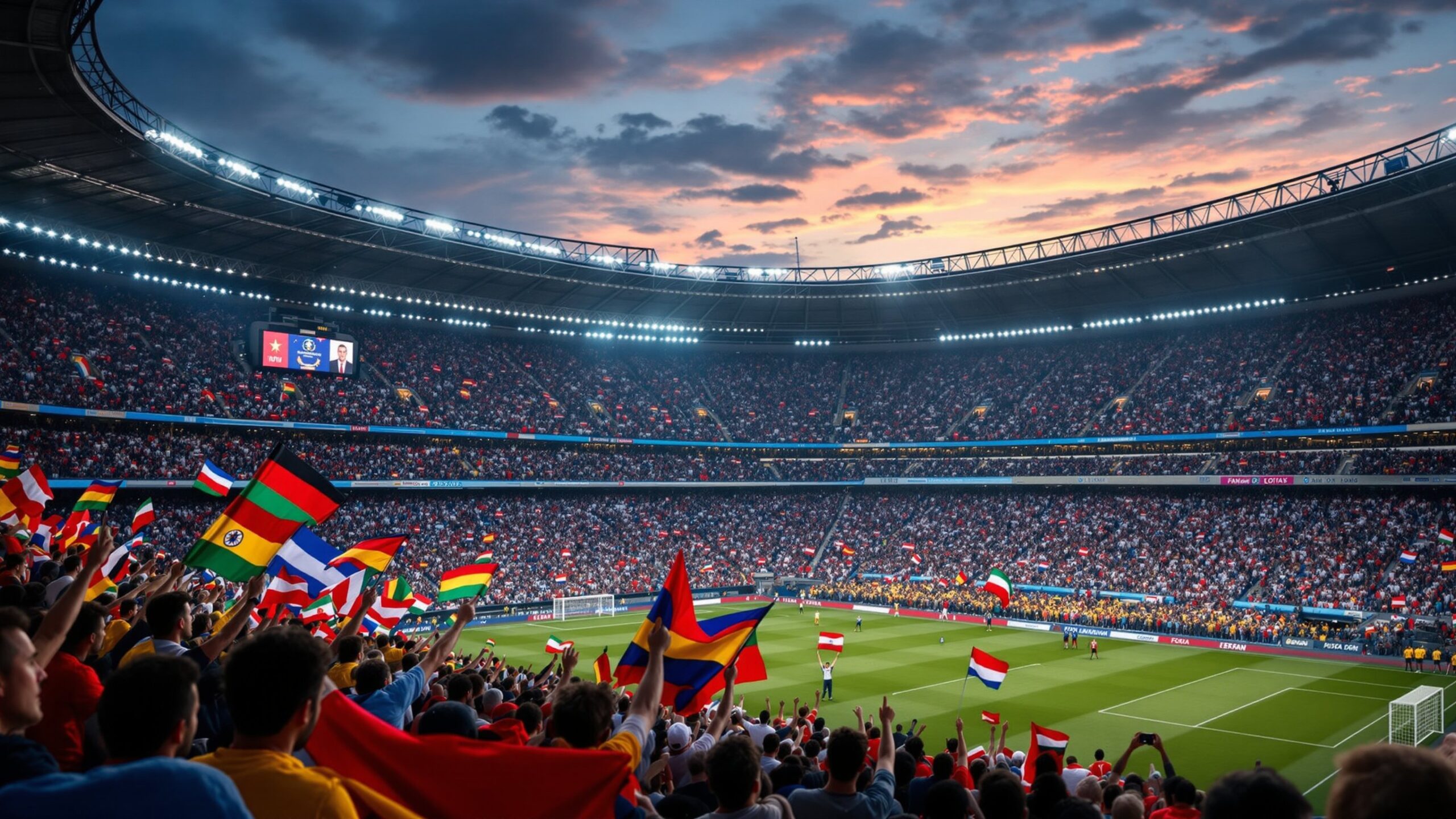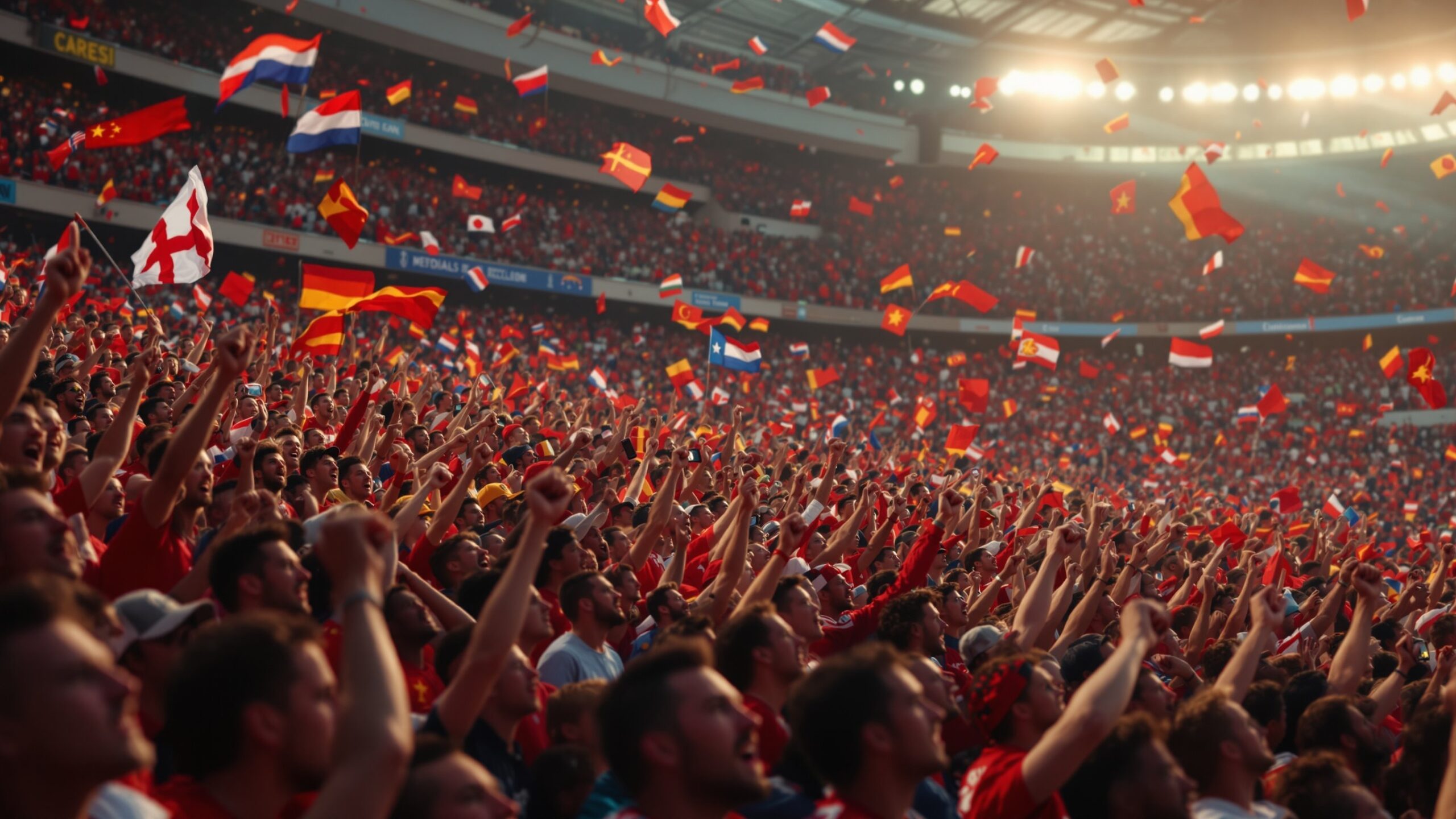
Football—known as soccer in some parts of the world—is more than a sport. It is identity, ritual, history, and emotion woven into ninety minutes of drama. Across continents, football fan cultures have evolved into powerful social forces, shaping cities, influencing politics, and creating unforgettable spectacles. From roaring stadiums filled with choreographed displays to intimate neighborhood gatherings that pulse with pride, the passion of football fans is one of the most compelling elements of the global game. This exploration takes you into the heart of the world’s most passionate football fan cultures, where loyalty runs deep, traditions are sacred, and every match feels like a defining moment.
A: Deep loyalty, emotional intensity, strong rituals, loud support, and a close bond between club and community.
A: No. Many smaller clubs have extraordinary atmospheres because the connection to place is even more intimate.
A: A coordinated visual display made by supporters using flags, cards, banners, or giant fabric art in the stands.
A: They combine local rivalry, history, identity, and bragging rights, which raises emotion on and off the pitch.
A: Chants create unity, express pride, taunt rivals, honor tradition, and help define a club’s emotional identity.
A: Highly organized supporter groups known for choreographed displays, nonstop singing, banners, and strong group identity.
A: Crowd density, acoustics, architecture, supporter organization, and match importance all shape the noise level.
A: Yes. Traveling fans often embody the purest form of devotion because they invest time, money, and energy to follow their team.
A: Absolutely. Some of the most admired supporter cultures remain powerful even during losing eras or lower-division seasons.
A: Because football support is often continuous, musical, generational, and tied to local identity in a uniquely intense way.
South America: Where Football Is Life
In South America, football is not merely watched—it is lived. Countries like Argentina and Brazil have cultivated fan cultures that are intensely emotional, deeply rooted in local identity, and often passed down through generations.
In Buenos Aires, the rivalry between Boca Juniors and River Plate defines entire neighborhoods. The famous “Superclásico” is not just a match—it is a cultural event that can bring the city to a standstill. Fans sing nonstop, wave massive banners, and create a wall of sound that reverberates through stadiums like La Bombonera.
In Brazil, football culture blends seamlessly with carnival energy. Matches at the Maracanã Stadium are vibrant, rhythmic, and visually stunning. Drums, dancing, and color transform the stadium into a festival of passion. Fans don’t just support their teams—they celebrate them with an artistic intensity that reflects Brazil’s cultural soul.
Across the continent, football is tied to class identity, regional pride, and national spirit. Victories are euphoric; defeats are deeply felt. Nowhere else does the emotional spectrum of football feel so raw and immediate.
Europe: Tradition, Rivalry, and Identity
Europe is home to some of the oldest football traditions in the world, and its fan cultures reflect centuries of history and rivalry. In countries like England, Germany, and Italy, football is deeply embedded in community identity.
At Anfield, fans of Liverpool FC unite in singing “You’ll Never Walk Alone,” creating one of the most iconic pre-match atmospheres in sport. The song echoes through the stadium, binding generations of supporters in shared emotion.
In Germany, the “Yellow Wall” of Borussia Dortmund is a visual and auditory phenomenon. Thousands of fans stand shoulder-to-shoulder, chanting in perfect unison, transforming the stadium into a fortress of sound and color.
Italy’s “ultras” culture takes intensity to another level. Organized supporter groups choreograph elaborate displays, complete with flares, banners, and synchronized chants. Matches involving clubs like AC Milan or AS Roma are as much about spectacle as they are about sport.
In Scotland, the rivalry between Celtic FC and Rangers FC—known as the Old Firm—goes beyond football, touching on religion, politics, and identity. The passion here is fierce, historic, and deeply ingrained.
Africa: Rhythm, Unity, and Resilience
Across Africa, football is a unifying force that transcends language, ethnicity, and geography. In nations like Nigeria, Egypt, and Morocco, fan culture is vibrant, rhythmic, and deeply communal. The sound of the vuvuzela during the 2010 FIFA World Cup became a global symbol of African football passion. Stadiums pulsed with energy, filled with singing, dancing, and an infectious sense of joy.
In Egypt, ultras groups have played significant roles not only in football but also in social movements. Their loyalty to clubs like Al Ahly SC is unwavering, and their presence transforms matches into intense, emotionally charged experiences.
Moroccan fans gained global admiration during the 2022 FIFA World Cup, where their support turned stadiums into seas of red and green. Their chants, passion, and unity showcased the power of football as a source of national pride.
African football culture is about more than winning—it is about community, resilience, and celebration.
Asia: Precision, Growth, and Spectacle
Football in Asia has grown rapidly, and its fan cultures reflect a blend of tradition and modern organization. In countries like Japan and South Korea, fans are known for their discipline, creativity, and respect.
Japanese supporters, often referred to as the “Blue Samurai,” are famous for their synchronized chants and post-match stadium cleanups. Their approach to fandom emphasizes respect for the game, the players, and the environment.
In South Korea, the “Red Devils” create electrifying atmospheres during international tournaments. Their coordinated displays and passionate support were instrumental during the 2002 FIFA World Cup, where the national team’s success sparked nationwide celebrations.
In Southeast Asia, countries like Indonesia boast some of the most passionate domestic fan bases in the world. Stadiums are filled with massive tifos, flares, and relentless chanting, reflecting a youthful and rapidly evolving football culture.
Meanwhile, in the Middle East, nations such as Saudi Arabia are investing heavily in football, creating modern stadium experiences that blend tradition with cutting-edge spectacle.
North America: Energy, Diversity, and Growth
In North America, football culture is rapidly evolving, driven by diversity and a growing fan base. In the United States and Canada, leagues like Major League Soccer have cultivated vibrant supporter groups.
Clubs such as Portland Timbers and Seattle Sounders FC are known for their passionate fan sections, complete with chants, tifos, and smoke displays that rival those in Europe.
In Mexico, football culture is deeply ingrained. Matches at Estadio Azteca are legendary, with fans creating an atmosphere that is both intimidating and exhilarating.
The diversity of North American fan culture—blending influences from Latin America, Europe, and beyond—has created a unique and dynamic football experience.
The Role of Ultras, Supporters, and Identity
Across the world, organized supporter groups—often referred to as ultras—play a central role in shaping football culture. These groups are responsible for choreographed displays, chants, and the overall atmosphere within stadiums.
Their influence extends beyond matchday. Ultras often engage in community initiatives, political activism, and cultural expression. While their passion can sometimes lead to controversy, it is undeniable that they are the heartbeat of many football cultures.
Football fandom is also deeply tied to identity. Whether it is a local club representing a neighborhood or a national team embodying a country’s pride, the connection between fans and football is profoundly personal.
Why Football Fan Culture Matters
Football fan culture is one of the sport’s most powerful forces. It transforms matches into experiences, players into heroes, and stadiums into theaters of emotion. The passion of fans drives the global popularity of football, making it the most widely followed sport in the world.
From the samba rhythms of Brazil to the disciplined chants of Japan, from the historic rivalries of Europe to the rising energy of North America, each fan culture adds a unique voice to the global game. These cultures remind us that football is not just about goals and trophies—it is about people, stories, and shared moments that transcend borders.
The Global Game, United by Passion
As football continues to grow, its fan cultures evolve, adapt, and inspire. New generations bring fresh energy, while traditions preserve the essence of the game. Technology connects fans across continents, but the core of football fandom remains unchanged: a deep, emotional connection to a team, a city, or a nation.
In every corner of the world, from massive stadiums to small local pitches, the passion of football fans endures. It is this passion that makes football truly global—and endlessly captivating. Football is played on the field, but it is lived in the stands.