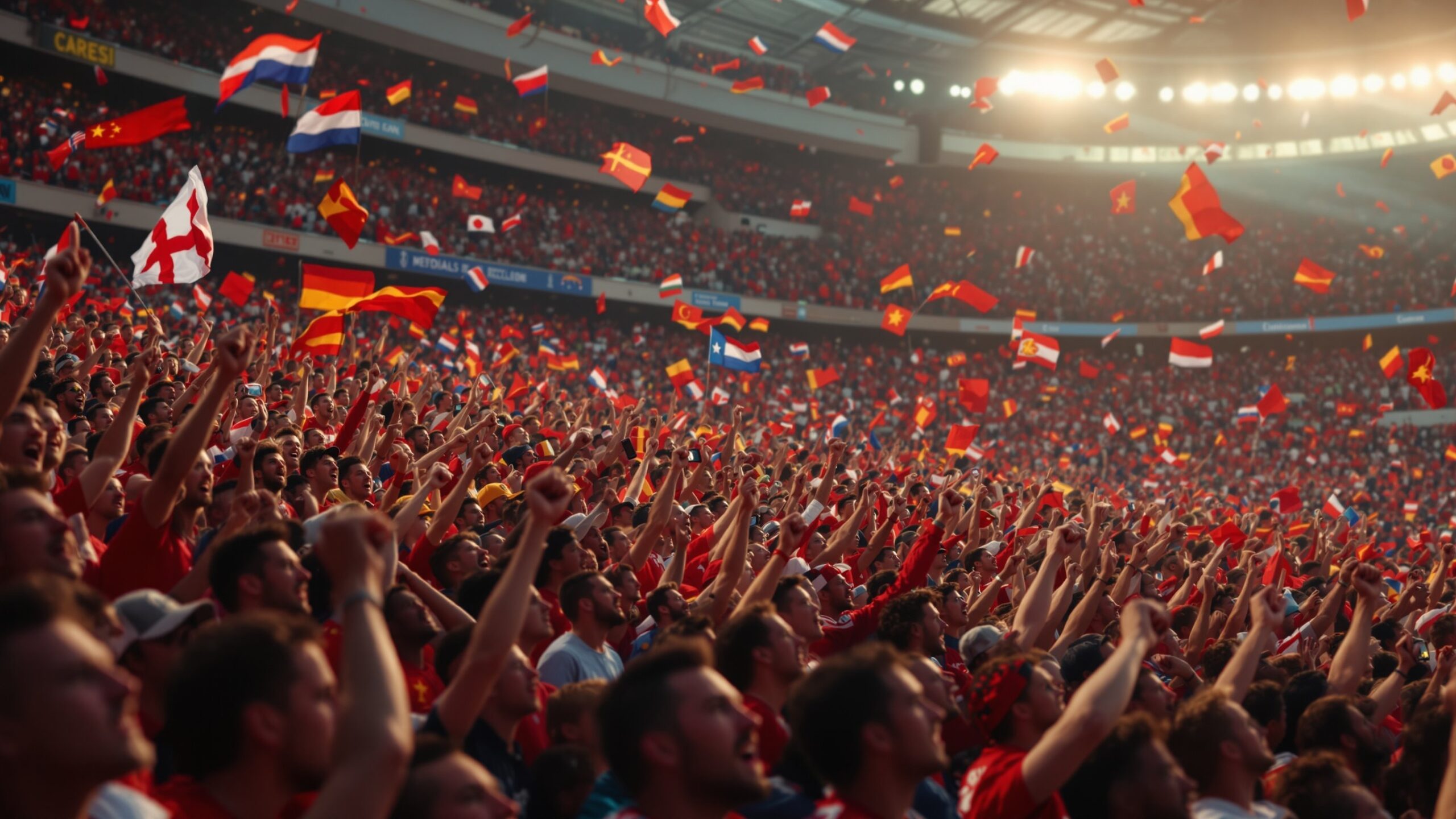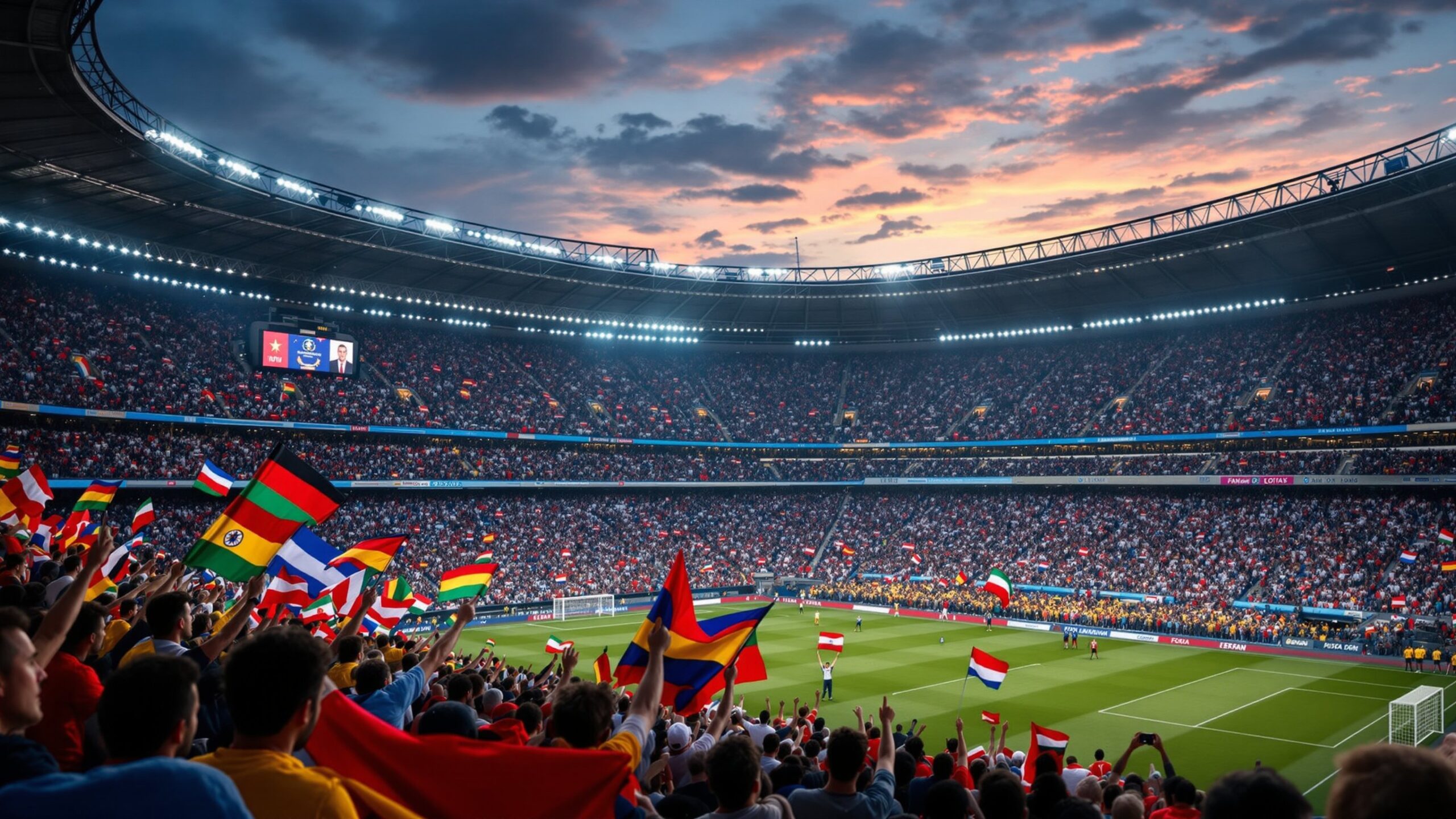
Football is often described as the world’s most popular sport, but that phrase barely scratches the surface of its cultural power. Across continents, languages, and political systems, football acts as a living expression of national identity—an ever-evolving narrative written not only by players on the pitch, but by the millions who watch, chant, celebrate, and sometimes grieve together. It is a mirror reflecting a country’s history, struggles, values, and aspirations. From the electrifying stadiums of South America to the tightly choreographed supporter sections of Europe, football offers a shared emotional language. It unites diverse populations under a single flag while simultaneously revealing regional nuances and tensions. In many nations, football is not merely entertainment—it is a vessel for collective memory, pride, resistance, and identity.
A: Because it gives millions of people a shared emotional experience tied to symbols, memory, and belonging.
A: Often yes, at least temporarily, by creating a common focus that crosses class, region, and background.
A: Absolutely. It can expose tensions around race, politics, geography, and competing ideas of national identity.
A: National teams represent the country itself, so support often feels tied to heritage, citizenship, and public identity.
A: They turn history, geography, and culture into recurring symbolic contests that fans deeply remember.
A: They often become national icons whose stories embody ambition, struggle, creativity, or resilience.
A: Yes. They can broaden public ideas about who represents the nation and what modern citizenship looks like.
A: Painful defeats often become national reference points that define generations and strengthen collective memory.
A: No. Its role depends on history, politics, media culture, and how central the sport is to daily life.
A: It makes identity visible, emotional, and unforgettable in a way few other cultural forces can.
The Roots of Football as a Cultural Force
Football’s rise as a global cultural force is closely tied to its accessibility. Unlike many sports that require specialized equipment or infrastructure, football can be played almost anywhere. A ball, or even a makeshift object, and a patch of ground are enough. This simplicity allowed the game to spread rapidly during the late 19th and early 20th centuries, particularly through trade routes, colonial networks, and industrial cities.
As football took root in different regions, it absorbed local customs and values. In England, where modern football rules were formalized, the sport reflected industrial discipline and community loyalty. In Brazil, it evolved into a fluid, expressive art form influenced by Afro-Brazilian culture. In Argentina, it became intertwined with urban identity and working-class pride. Each adaptation transformed football into something uniquely national.
Over time, the sport became a canvas upon which nations projected their identity. Victories were celebrated not just as athletic achievements, but as affirmations of cultural strength. Defeats, conversely, could feel like national setbacks.
Football and National Pride
Few moments capture the intersection of football and national identity more vividly than international tournaments. When national teams compete, they carry the hopes and emotions of entire populations. Flags wave, anthems echo, and for ninety minutes or more, millions of people feel united in purpose. In many countries, these moments transcend politics and social divisions. A goal scored on the global stage can spark celebrations that spill into streets and plazas, bringing together people from vastly different backgrounds. Football becomes a rare space where differences are temporarily set aside in favor of shared pride. This phenomenon is especially powerful in nations with complex histories. For countries that have experienced colonization, conflict, or political upheaval, football victories can symbolize resilience and self-determination. The success of a national team can be interpreted as proof that a nation has found its voice and place in the world.
A Reflection of History and Identity
Football often mirrors a nation’s historical journey. The style of play, the structure of leagues, and even the symbolism associated with teams can reveal deeper truths about a country’s past.
In countries with strong regional identities, football clubs frequently embody local culture. Rivalries between teams are rarely just about sport—they often reflect historical tensions, economic disparities, or cultural differences. Matches become stages where these dynamics are expressed, sometimes passionately, sometimes contentiously.
In post-colonial nations, football has played a crucial role in shaping identity. It has offered a platform to redefine national narratives and assert independence. The success of players from diverse backgrounds can challenge outdated stereotypes and highlight the richness of a nation’s cultural tapestry.
Football also serves as a repository of collective memory. Legendary matches, iconic players, and unforgettable moments are passed down through generations, becoming part of a nation’s cultural heritage. These stories are retold in homes, bars, and stadiums, reinforcing a shared sense of identity.
Football as a Unifying Force
One of football’s most remarkable qualities is its ability to unify. In societies marked by division—whether along political, ethnic, or economic lines—the sport can create moments of collective harmony.
During major tournaments, entire nations often rally behind their teams. Streets are decorated, public screenings are organized, and a sense of communal excitement takes hold. These moments can foster a feeling of belonging that extends beyond individual differences.
Football also plays a role in integrating immigrant communities. In many countries, players of diverse backgrounds represent the national team, reflecting the evolving nature of identity. Their presence can challenge narrow definitions of nationality and promote a more inclusive vision of what it means to belong.
At the grassroots level, football brings people together in neighborhoods, schools, and local clubs. It creates spaces where individuals from different walks of life can connect, collaborate, and build relationships. In this way, football contributes to social cohesion and community building.
The Power of Rivalries
While football unites, it also thrives on rivalry. These rivalries, often deeply rooted in history and culture, are a powerful expression of identity. Some rivalries are regional, reflecting longstanding competition between cities or provinces. Others are political, tied to ideological differences or historical conflicts. In certain cases, rivalries carry religious or cultural significance, adding layers of meaning to each encounter.
These matches are charged with emotion. Fans invest not only their support but also their sense of identity in the outcome. Victory can feel like validation, while defeat can be deeply personal. Yet, even in rivalry, there is a shared understanding of the game’s importance. The intensity of these encounters underscores football’s role as a cultural touchstone. It provides a structured way to express competition and difference, often channeling tensions into a form that is passionate but ultimately symbolic.
Football and Political Expression
Football has long been intertwined with politics. Governments have recognized its power to influence public sentiment and have used it to promote national unity or project strength on the global stage. At times, football has been used as a tool of propaganda, with regimes leveraging success to bolster their legitimacy. Stadiums have hosted not only matches but also political events, and national teams have been seen as ambassadors of state power.
Conversely, football has also been a platform for resistance. Players and fans have used the sport to voice dissent, challenge authority, and advocate for change. From symbolic gestures on the field to organized protests in the stands, football provides a visible and impactful मंच for expression. This dual role highlights the sport’s complexity. It can both reinforce and challenge existing power structures, reflecting the broader dynamics of the societies in which it exists.
The Globalization of Football
In the modern era, football has become a global industry. International leagues attract players and fans from around the world, and matches are broadcast to audiences in nearly every country. This globalization has expanded the sport’s reach but has also introduced new dynamics.
On one hand, global exposure has enriched football cultures. Fans can follow teams from distant देशों, and players can bring diverse styles and perspectives to new environments. This exchange has contributed to the evolution of the game.
On the other hand, globalization has raised questions about identity. As clubs become international brands and players move across borders, the connection between teams and local communities can become more complex. Some worry that commercialization may dilute the cultural significance of football.
Despite these changes, national identity remains deeply embedded in the sport. International competitions continue to captivate audiences, and the symbolism of representing one’s country retains its power.
Football and Cultural Expression
Football is not only played on the field; it is also expressed through music, art, language, and ritual. Chants, songs, and visual displays in stadiums are powerful forms of cultural expression. They reflect local traditions, humor, and creativity.
In many देशों, football has inspired literature, films, and visual art. It has become a source of storytelling, capturing the drama and emotion of the game. These cultural expressions extend the impact of football beyond the मैदान, embedding it in everyday life.
Fashion is another area where football intersects with identity. Jerseys, scarves, and other symbols of support are worn with pride, signaling allegiance and belonging. These items often carry historical and cultural significance, connecting fans to their teams and to each other.
Youth, Identity, and Aspiration
For young people, football can be a powerful influence on identity and aspiration. It offers role models, opportunities for self-expression, and a sense of purpose. In many communities, football is seen as a pathway to success. Talented players may dream of professional careers, while others find fulfillment in playing at local levels. The sport teaches values such as teamwork, discipline, and resilience. Football also shapes how young people see themselves and their देश. Supporting a national team or local club can foster a sense of pride and connection. These experiences contribute to the formation of identity, influencing how individuals relate to their समाज and to the wider world.
Challenges and Contradictions
While football has the power to unite and inspire, it is not without challenges. Issues such as inequality, discrimination, and हिंसा can surface within the sport, reflecting broader societal problems.
In some cases, football has been a site of exclusion, with certain groups facing barriers to participation or representation. Efforts to address these issues are ongoing, with organizations and individuals working to make the sport more inclusive.
Commercialization is another area of concern. The increasing financial stakes in football can create disparities between clubs and देशों, potentially undermining the spirit of competition. Balancing economic growth with cultural integrity is an ongoing challenge.
Despite these complexities, football continues to evolve. Its ability to adapt while retaining its core appeal is a testament to its enduring significance.
The Future of Football and National Identity
As the world becomes more interconnected, the relationship between football and national identity is likely to continue evolving. Advances in technology, changes in demographics, and shifting cultural dynamics will shape how the sport is experienced and understood.
Digital platforms are transforming how fans engage with football, creating new communities that transcend geographic boundaries. At the same time, local traditions and identities remain vital, providing a sense of continuity and authenticity.
The future of football will likely involve a balance between global and local influences. While the sport may become increasingly international in scope, its roots in national and community identity will remain central.
A Shared Global Language
Football’s ability to shape national identity lies in its unique combination of simplicity and depth. It is a game that anyone can play, yet it carries profound cultural meaning. It reflects who we are, where we come from, and how we see ourselves in relation to others.
Across the globe, football continues to bring people together, tell stories, and inspire passion. It is a shared language that transcends borders while celebrating the distinct identities of nations. In a world that is often divided, football offers a reminder of our common humanity—and the powerful ways in which we express it.