Choose the Job Before Choosing the Number
A center-back can finish a match with fewer tackles than a winger and still have defended exceptionally well. A striker can complete fewer passes than a midfielder while making the movements that decide the game. Those examples show why the most important soccer statistics depend on position, responsibility, and opportunity. Numbers become useful when they describe the work a player was actually asked to perform. They become misleading when every player is judged against the same leaderboard. This guide builds a practical positional framework for goalkeepers, central defenders, fullbacks, midfielders, wide attackers, and strikers. It explains which families of statistics deserve attention, what each can reveal, and which contextual checks should accompany them. The aim is a clearer reading of performance, rather than a universal formula that claims to rank every footballer on one scale.
A: Positioning and team control may reduce the need for recorded interventions.
A: No. Overlapping, inverted, and more defensive roles create different requirements.
A: They depend on the wider defense and the shots it allows.
A: It adds information about the shot after execution, supporting shot-stopping evaluation.
A: Pressure, distance, direction, and the intended destination change the task.
A: Yes. Movement can stretch defenders and open space for teammates.
A: Examine the volume, quality, and repeatability of scoring opportunities.
A: They can be highly unstable, so the underlying minutes remain essential.
A: Advanced positioning can increase chance involvement while leaving space behind that the team must cover.
A: Define the actual role and the question the evaluation needs to answer.
Start With Role, Minutes, and the Team’s Environment
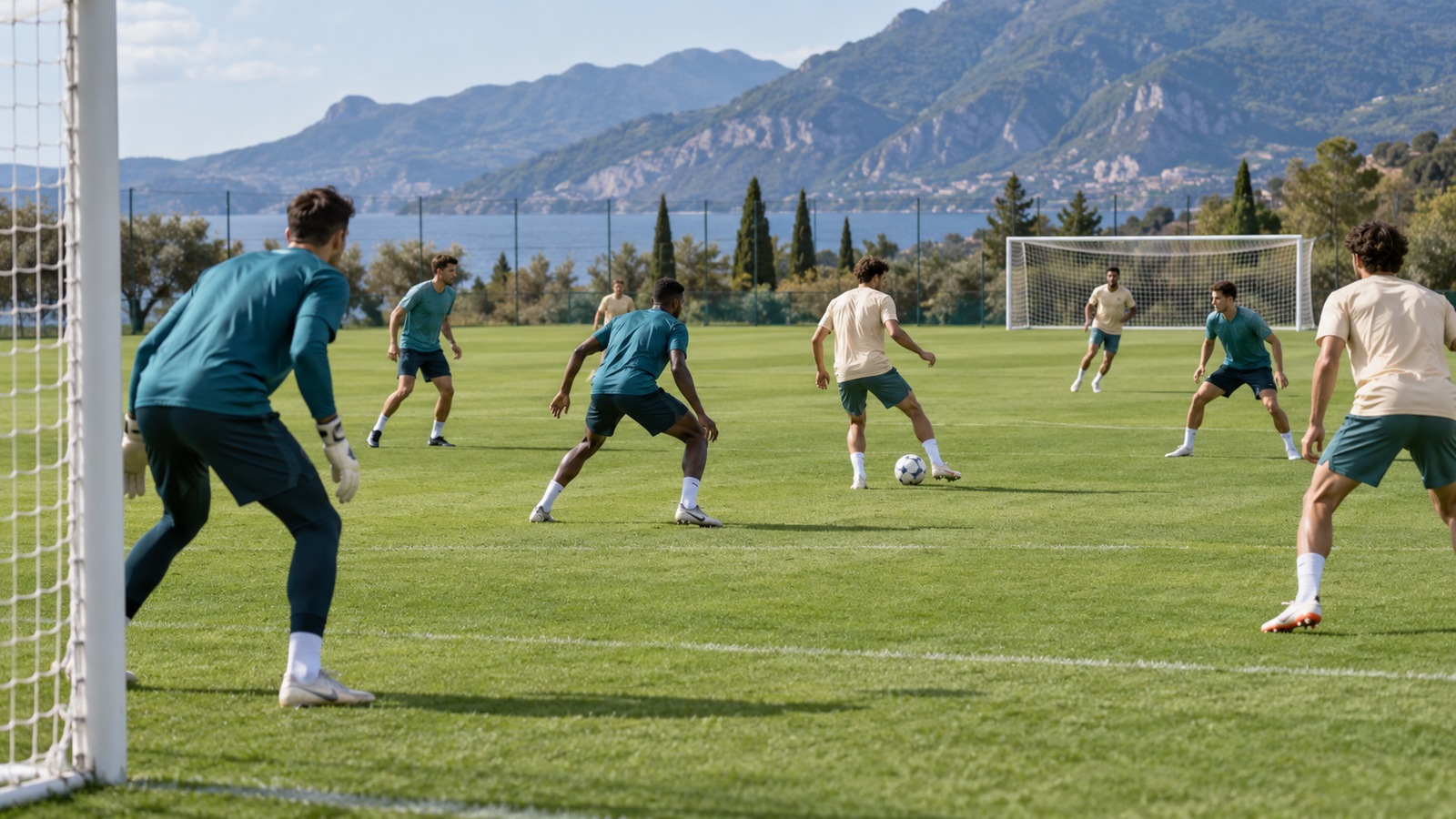
Position labels are an opening description, not a complete assignment. One fullback overlaps toward the byline, another moves into central midfield, and another stays behind the ball to protect against counterattacks. Their statistical profiles should differ because their jobs differ. Before selecting metrics, establish where the player operates in and out of possession, which actions the team encourages, and what happens around them. A useful comparison group contains players performing sufficiently similar responsibilities. Comparing everyone listed as a defender is usually too broad to answer a precise performance question.
Minutes and opportunity then determine what the recorded totals mean. Per-90 rates help compare players with different playing time, but a small substitute sample can still be unstable. A possession-dominant team offers more passing opportunities and fewer conventional defensive actions than a side defending for long periods. Neither setting automatically produces the better individual. Record the minutes, team style, game state, and relevant competition before interpreting the chart. These checks do not erase differences; they help distinguish a player’s actions from the circumstances that made those actions available.
| Role | Starting measures | Essential context |
|---|---|---|
| Goalkeeper | Save outcomes, post-shot shot-stopping measure where available, distribution. | Shot quality and intended passing options. |
| Centre-back | Aerial contests, defensive actions, progression. | Space defended and team possession. |
| Fullback | Progression, creation, defensive contests. | Wide or inverted assignment. |
| Holding midfielder | Receiving, retention, progressive passing. | Pressure and available outlets. |
| Attacker | Non-penalty xG, shot quality, creation or carrying. | Minutes, service and off-ball responsibility. |
Goalkeepers Need More Than Saves and Clean Sheets
For goalkeepers, examine shot stopping alongside the difficulty of shots faced, claiming or dealing with crosses, actions outside the penalty area, and distribution. Clean sheets belong partly to the whole defense, while save percentage treats very different shots as entries in the same fraction. Post-shot models add information about the attempt after it has been struck; Hudl’s PSxG explanation distinguishes this from ordinary pre-shot expected goals. Use such measures over a meaningful sample and inspect the underlying situations. A keeper’s willingness to sweep behind a high line also creates a different risk profile from staying deep, so the tactical assignment must accompany the numbers.
Central Defenders Combine Prevention With Progression
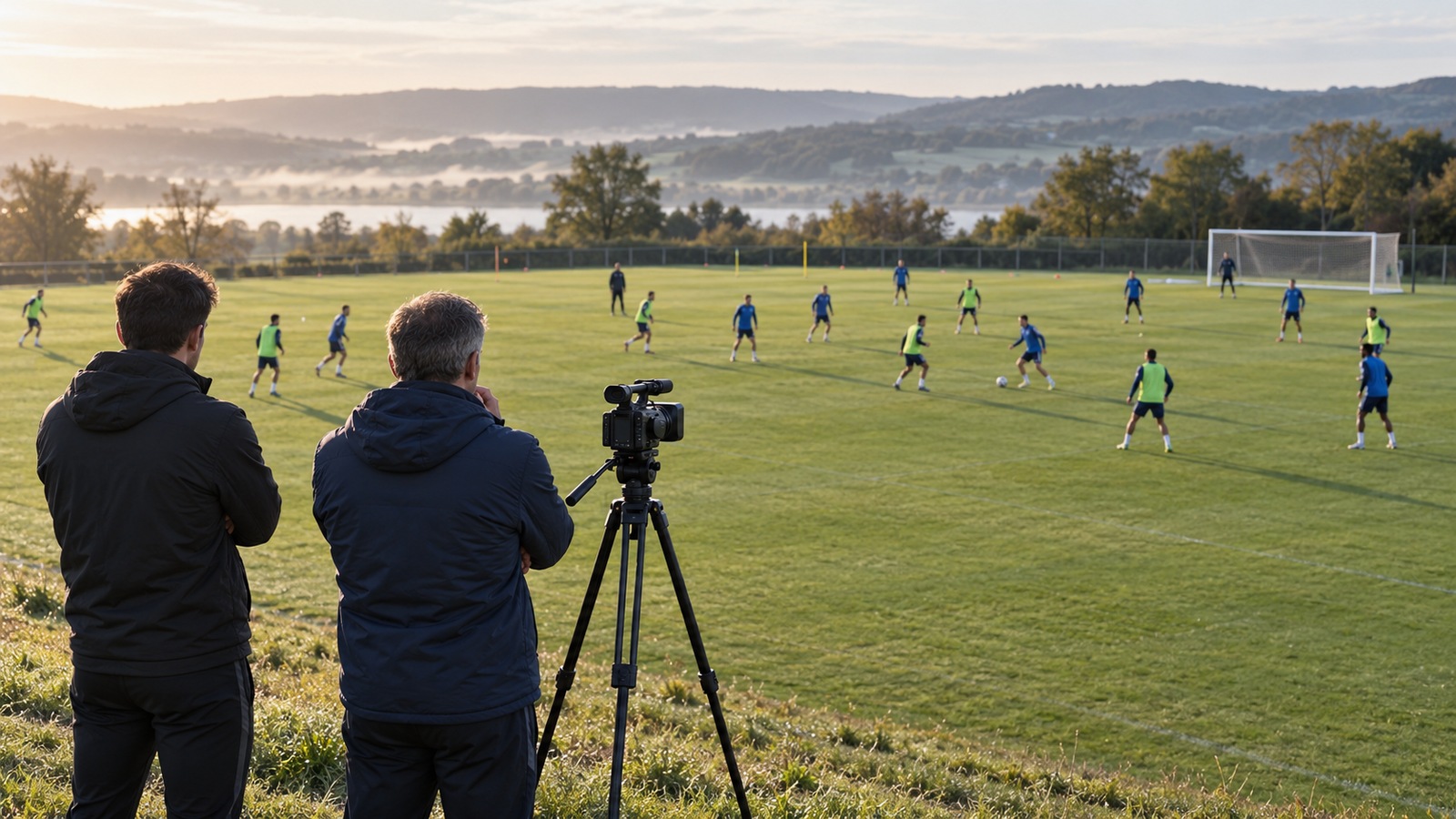
Central defenders can be assessed through aerial involvement, ground duels, interceptions, clearances, and the situations in which they must defend space. Counts alone are insufficient. A busy defender may accumulate actions because the team cannot retain possession; a well-positioned defender may prevent a pass without recording a tackle. Distinguish how often the player is exposed from how effectively they respond. Video is especially valuable for checking the starting position, the space behind the line, and whether a duel was necessary because of an earlier individual or collective error.
Passing adds a separate dimension. Completion rate should be read with direction, distance, pressure, and the value of the destination. A defender repeatedly playing short unpressured passes may post a higher completion rate than one asked to break the first opposition line. Progression measures and carries can help describe that responsibility, provided the provider’s definitions are understood. The question is not whether every center-back should attempt ambitious passes. It is whether the player can deliver the type of progression the team’s buildup requires while managing the consequences of losing possession in that area.
Aerial win percentage also needs its denominator and context. Winning a high share of a handful of uncontested headers is different from sustaining that record against difficult opponents across many duels. Height matters, but timing, starting position, and the quality of the opponent matter too. Separate defensive aerial work from attacking set-piece involvement where the data permits it. A club recruiting for a league with frequent direct play will reasonably emphasize different evidence from a side whose central defenders mostly face passes into feet and runs behind them.
Fullbacks and Wingbacks Must Be Read Through Their Routes
For an overlapping fullback, useful attacking measures can include carries into advanced areas, passes into the penalty area, chances created, and the quality of the resulting opportunities. Crossing volume alone does not indicate good attacking decisions. Some crosses arrive under pressure with few teammates in the box; others are controlled deliveries after reaching a favorable position. Look at where the player receives, how they advance, and what options the team supplies. Those details connect the recorded final ball to the process that made the delivery possible.
An inverted fullback needs a different lens. Central receptions, retention under pressure, progression through midfield, and the ability to support the team’s protective shape may matter more than byline deliveries. Defensively, examine one-on-one situations, recovery actions, and the space the player is assigned to cover. A fullback who advances aggressively may leave a teammate responsible for the area behind them. The evaluation should ask whether that arrangement works, rather than assigning every transition to the player who was furthest from the eventual danger when the move began.
Holding Midfielders Are Often Judged by What They Connect
A holding midfielder’s useful statistics can include receiving and passing involvement, retention under pressure, progressive distribution, interceptions, and defensive coverage appropriate to the role. None captures the entire contribution. A player may offer a passing angle that allows someone else to advance, or occupy a position that discourages the opponent’s first counterattacking pass. Those actions may be poorly represented in a simple event table. Combine the numbers with observation of scanning, body orientation, and movement before receiving. The strongest interpretation explains how the midfielder connects phases and protects the team’s structure, rather than assuming a high pass count proves control by itself.
Central and Attacking Midfielders Need Creation in Context
For a midfielder asked to advance the ball, progressive passes and carries, entries into advanced zones, and involvement in sequences leading to chances can be informative. The exact boundary of a progressive action differs between providers, so check the definition before comparing datasets. The Hudl player-metrics glossary illustrates why consistent definitions matter. A player receiving deep with room to travel faces a different problem from someone receiving between lines with immediate pressure. Similar output totals can conceal very different technical and tactical demands.
For an attacking midfielder, consider chance creation, expected assists under the chosen provider’s method, passes into dangerous areas, shot involvement, and non-penalty expected goals. Actual assists depend on teammates finishing, while a created chance can vary enormously in quality. More advanced measures can add useful information, but they should remain connected to the actions they summarize. Ask whether the player consistently finds valuable spaces and recognizes the available pass. A high total created through set-piece responsibility may require a different comparison from production generated entirely in open play.
Possession losses deserve the same contextual care. A player tasked with attempting difficult final passes will usually accept more risk than a teammate circulating the ball behind the attack. That does not make every turnover acceptable. Examine the location, pressure, alternatives, and benefit the attempted action could have delivered. The useful balance is between productive ambition and avoidable waste. A midfielder can reduce errors without becoming passive, and a low turnover count can look impressive precisely because the player rarely attempts the difficult actions their role requires.
Wingers Mix Ball Carrying With Off-Ball Threat
For wide attackers, assess successful take-ons with attempts, carries into dangerous areas, chance creation, non-penalty xG, and touches or receptions in the penalty area. A take-on percentage without volume tells an incomplete story, just as attempts without outcomes can confuse activity with success. Opponent quality and the availability of support affect the task. A winger receiving in isolation against two defenders will not face the same opportunities as one released into space after a switch of play. The comparison should preserve those differences rather than erase them in one dribbling rank.
Off-ball contribution is equally important. Runs that stretch a back line, create space for a teammate, or arrive at the far post may not appear clearly in basic event data. Tracking information and video can help identify that work. An inverted winger who attacks the box may have a very different profile from a touchline creator serving another forward. Defensive effort also follows the team’s pressing plan. Count pressures carefully, but inspect whether the player closes the intended passing lane and whether teammates move with them. Repeated running without coordinated purpose is not automatically effective pressing.
Strikers Need Chance Volume, Chance Quality, and Connection
Goals are central to a striker’s work, but non-penalty xG, shots, xG per shot, penalty-area involvement, and the distribution of those opportunities provide essential context. A forward consistently reaching good locations may be performing useful work during a short scoring drought. Conversely, a brief run of difficult finishes may not continue indefinitely. Keep the period and sample visible. The best assessment asks whether the chance process is repeatable, which actions belong to the striker, and how much of the supply depends on teammates or a particular tactical arrangement.
Different forward types require additional evidence. A target forward may need aerial involvement, retention from direct passes, and layoffs that bring midfielders into attacks. A runner behind the defense may be better understood through movement timing, receptions in depth, and the spaces opened for others. Neither should be judged as an incomplete version of the other by default. The relevant question is which profile the team needs. Comparing only goals risks missing why two forwards with similar totals may ask their teammates to play in substantially different ways.
Pressing and defensive responsibility complete the picture. A striker can help the team by directing buildup toward a prepared trap, even without making the final tackle. The first pressing movement can also fail if its angle opens the easy pass the team intended to remove. Basic counts may not settle that distinction. Watch whether the forward’s action connects with the next line and fits the coach’s plan. A player who contributes to chance creation, links attacks, and performs the required defensive job offers a broader profile than a single scoring number can describe.
Build a Small Scorecard That Answers One Real Question
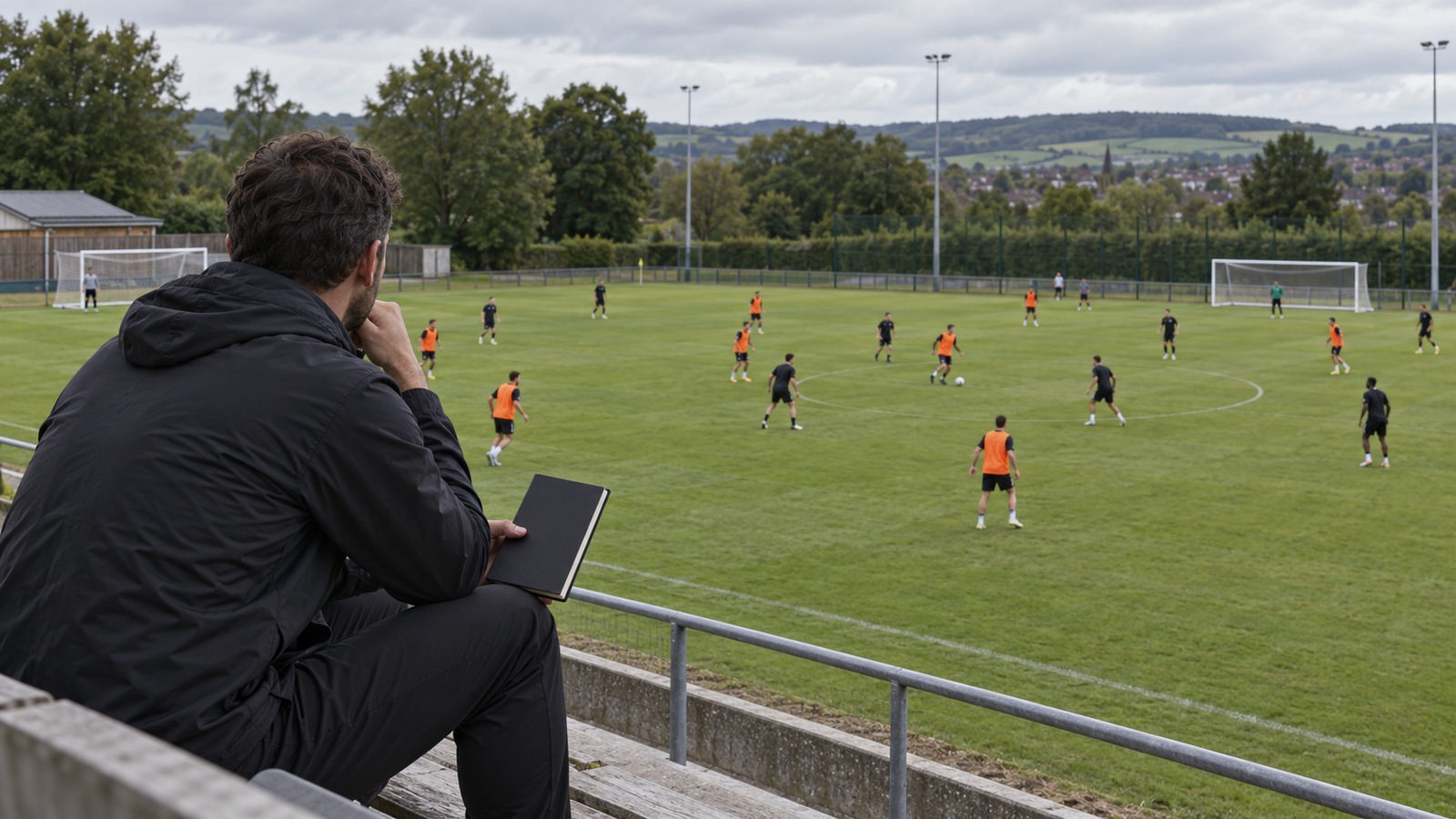
A practical positional scorecard should contain a few metrics tied to a clear role, followed by contextual checks and representative footage. Avoid treating a large collection of percentiles as an automatic verdict. Start with the intended job, select comparable players, examine a meaningful sample, and investigate apparent strengths and weaknesses. If two measures tell different stories, that is a reason to look closer rather than choose the more flattering one. The most important soccer statistic is therefore the one that helps answer the right positional question, with enough context to explain what it can and cannot establish.