How Elite Academies Develop World-Class Soccer Players
How Elite Academies Develop World-Class Soccer Players is best understood as a practical soccer problem, not a fixed drawing. This guide is written for fans, coaches, and players who want to see how the system behaves once the ball moves. The focus is academy environments that connect technique, habits, and competitive intelligence, with attention to roles, spacing, pressure, transition moments, and the small choices that turn a formation into a working match plan.
A: The main lesson is that academy environments that connect technique, habits, and competitive intelligence depends on player roles, distances, and match context.
A: Teams with players who understand timing, communication, and recovery positions benefit most.
A: The easiest mistake is one player moving while the supporting line stays still.
A: Yes, if coaches simplify the cues and teach spacing before adding complexity.
A: Athleticism helps, but clarity and coordination often matter more than raw speed.
A: Watch the players away from the ball and the spaces they protect or abandon.
A: It fails when distances stretch, roles blur, or the team cannot handle transitions.
A: It can be both, because structure decides how a team creates and prevents chances.
A: They adjust player heights, pressing triggers, midfield support, and risk behind the ball.
A: It is working when the team repeatedly creates the situations it wants and limits the opponent’s best route.
Elite Academies Build Daily Standards
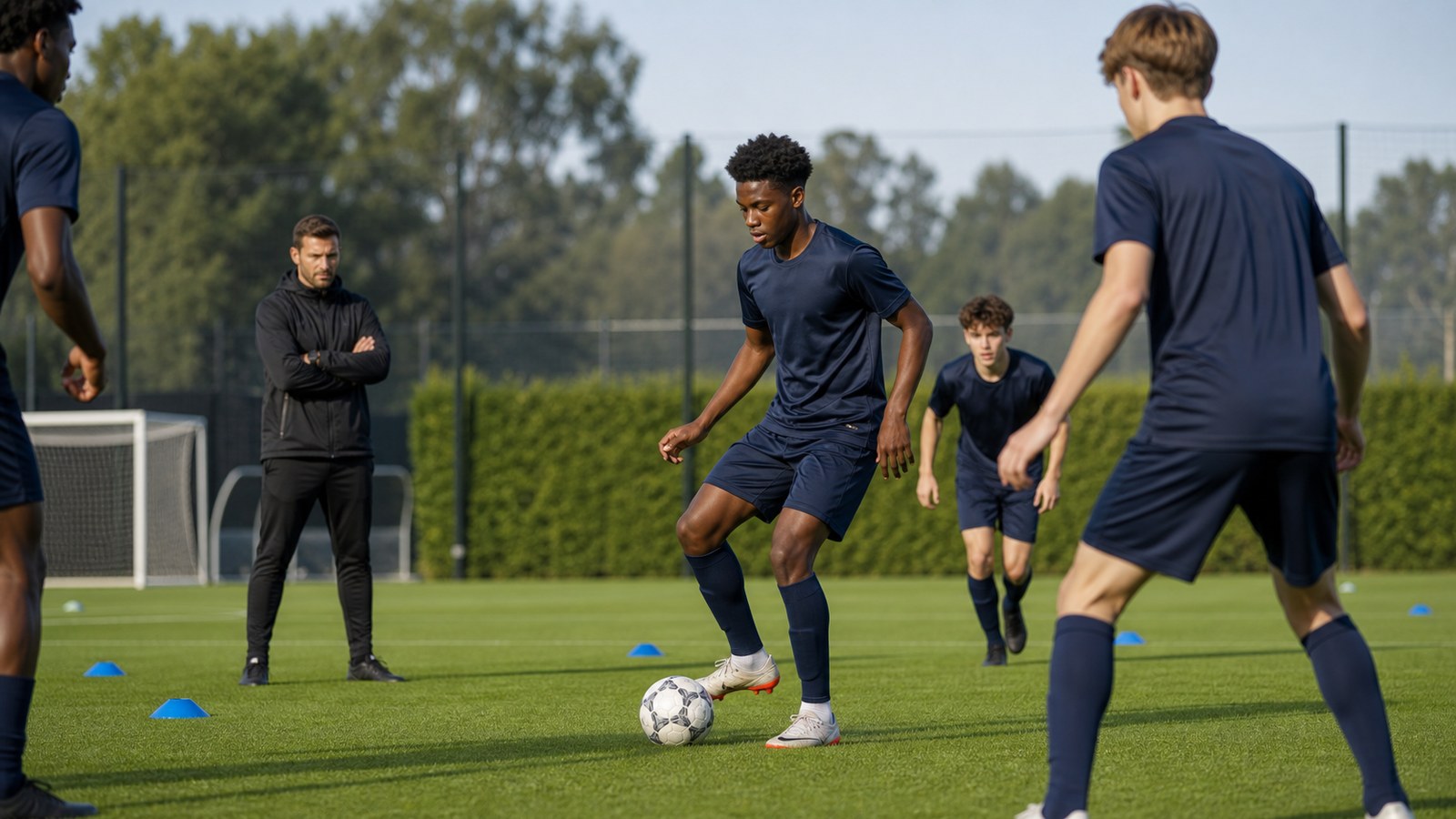
Elite academies develop world-class players by making high standards normal. The environment teaches punctuality, technique, decision making, recovery, and personal responsibility every day. Talent opens the door, but repeatable habits carry the player forward.
How Elite Academies Develop World-Class Soccer Players also has to be judged through training culture. That detail changes how teammates support the ball, how quickly the team can recover, and whether the opponent is forced into the uncomfortable areas the coach wants to target. The lesson becomes clearer over ninety minutes because the same structural demand appears in buildup, defensive transition, pressing recovery, and late-game management.
Individual Detail Matters Inside Team Training
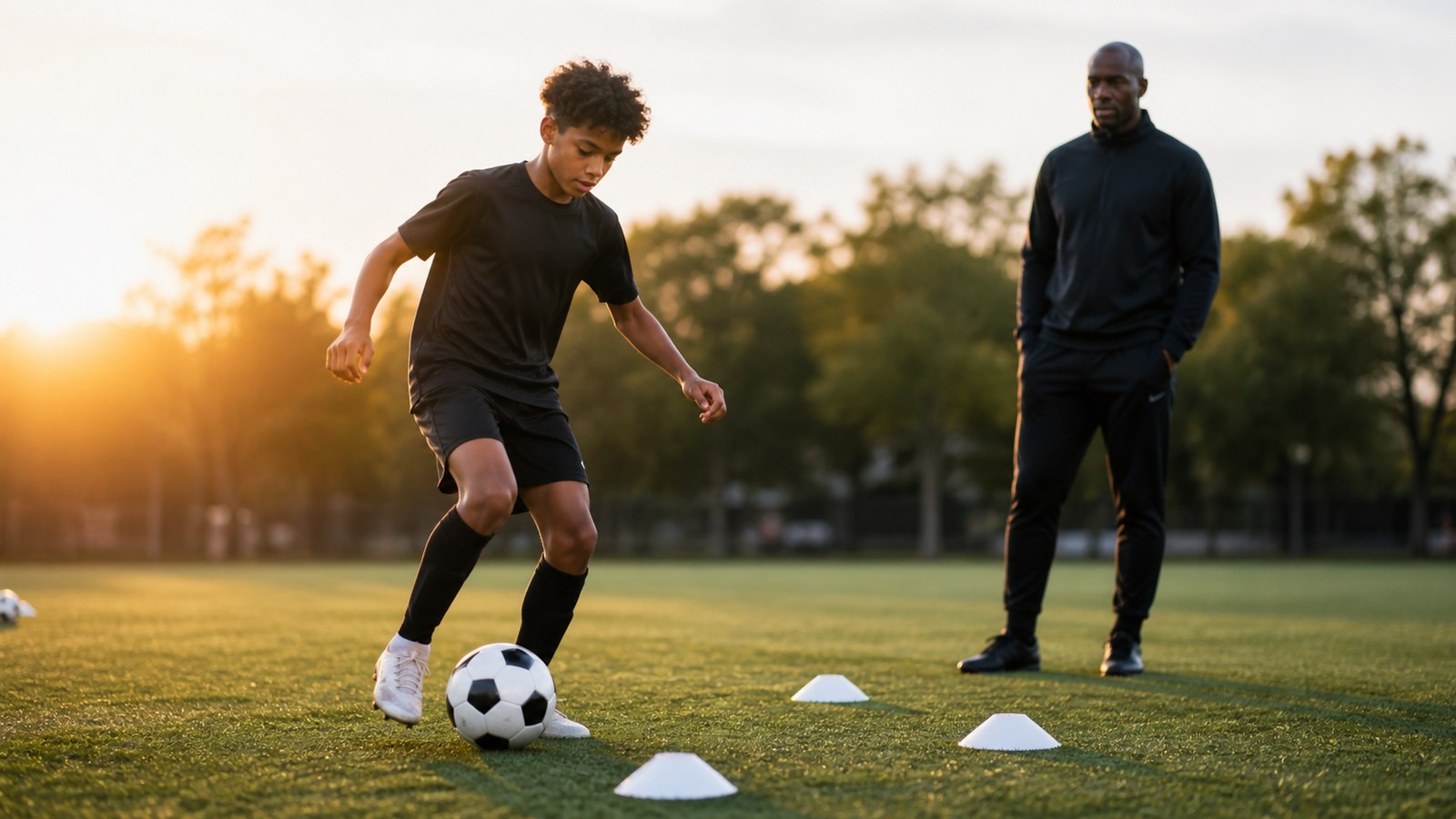
Academies do not develop players only through team shape. They refine first touch, scanning, weak-foot use, movement before receiving, and the ability to play under pressure. Those individual details become visible when the match speeds up.
How Elite Academies Develop World-Class Soccer Players also has to be judged through individual detail. That detail changes how teammates support the ball, how quickly the team can recover, and whether the opponent is forced into the uncomfortable areas the coach wants to target. The lesson becomes clearer over ninety minutes because the same structural demand appears in buildup, defensive transition, pressing recovery, and late-game management.
Academy environments that connect technique, habits, and competitive intelligence becomes clearer when the team repeats the same cues under pressure. The strongest sides do not rely on one dramatic action; they make the ordinary next step predictable for teammates and uncomfortable for opponents. That repeatability is why tactical systems should be judged by habits, not by a single freeze-frame or a formation graphic before kickoff.
Competition Is Managed Carefully
Young players need pressure, but they also need room to grow. Elite academies balance challenging matches with development goals. Winning matters, yet it should not erase the process that helps players become adaptable adults.
Players Learn to Own Their Progress
The best academy players become active learners. They understand feedback, watch their own habits, and take responsibility for improvement. Coaches guide the path, but the player has to walk it.
How Elite Academies Develop World-Class Soccer Players also has to be judged through player ownership. That detail changes how teammates support the ball, how quickly the team can recover, and whether the opponent is forced into the uncomfortable areas the coach wants to target. The lesson becomes clearer over ninety minutes because the same structural demand appears in buildup, defensive transition, pressing recovery, and late-game management.
World-Class Development Takes Patience
A future professional rarely grows in a straight line. Injuries, growth spurts, confidence dips, and role changes are all part of the journey. Elite academies plan for those turns rather than reacting to every short-term result.
How Elite Academies Develop World-Class Soccer Players also has to be judged through long-term planning. That detail changes how teammates support the ball, how quickly the team can recover, and whether the opponent is forced into the uncomfortable areas the coach wants to target. The lesson becomes clearer over ninety minutes because the same structural demand appears in buildup, defensive transition, pressing recovery, and late-game management.
Academy environments that connect technique, habits, and competitive intelligence becomes clearer when the team repeats the same cues under pressure. The strongest sides do not rely on one dramatic action; they make the ordinary next step predictable for teammates and uncomfortable for opponents. That repeatability is why tactical systems should be judged by habits, not by a single freeze-frame or a formation graphic before kickoff.
What Coaches Notice First
Coaches notice distances before they notice labels. The question is whether the closest player has support, whether the far side is protected, and whether the team can recover shape after the first action fails. A system that looks perfect on paper can collapse if the distances between players are too large. A simpler system can feel sophisticated when the timing is right. For this topic, the key reference point is training culture, because it shapes how the rest of the structure behaves when the match speeds up.
How Players Experience the System
Players experience tactics as repeated decisions, not as abstract theory. A winger needs to know when to stay wide and when to press inside. A midfielder needs to know whether to step or hold. A defender needs to know when the line can squeeze forward. The clearer those decisions become, the faster the team plays. For this topic, the key reference point is individual detail, because it shapes how the rest of the structure behaves when the match speeds up.
How Elite Academies Develop World-Class Soccer Players also has to be judged through individual detail. That detail changes how teammates support the ball, how quickly the team can recover, and whether the opponent is forced into the uncomfortable areas the coach wants to target. The lesson becomes clearer over ninety minutes because the same structural demand appears in buildup, defensive transition, pressing recovery, and late-game management.
Why Opponents Change the Picture
Every system is partly a response to the opponent. A team facing direct forwards may protect depth more carefully, while a team facing slow buildup may press higher. The same formation can be aggressive one week and cautious the next because the matchup changes the risk calculation. For this topic, the key reference point is competition rhythm, because it shapes how the rest of the structure behaves when the match speeds up.
How Elite Academies Develop World-Class Soccer Players also has to be judged through competition rhythm. That detail changes how teammates support the ball, how quickly the team can recover, and whether the opponent is forced into the uncomfortable areas the coach wants to target. The lesson becomes clearer over ninety minutes because the same structural demand appears in buildup, defensive transition, pressing recovery, and late-game management.
Academy environments that connect technique, habits, and competitive intelligence becomes clearer when the team repeats the same cues under pressure. The strongest sides do not rely on one dramatic action; they make the ordinary next step predictable for teammates and uncomfortable for opponents. That repeatability is why tactical systems should be judged by habits, not by a single freeze-frame or a formation graphic before kickoff.
Where Mistakes Usually Begin
Mistakes usually begin when one line moves without the next line following. A forward presses alone, a midfielder jumps without cover, or a fullback overlaps while the holding midfielder is already ahead of the ball. Those small separations create the spaces opponents attack. For this topic, the key reference point is player ownership, because it shapes how the rest of the structure behaves when the match speeds up.
The Practical Takeaway
The practical takeaway is to judge systems by repeatability. Can the team create the same useful situations again and again? Can it survive the predictable weaknesses? Can players understand their jobs under pressure? When those answers are yes, the tactical idea has moved from theory into football. For this topic, the key reference point is long-term planning, because it shapes how the rest of the structure behaves when the match speeds up.
How Elite Academies Develop World-Class Soccer Players also has to be judged through long-term planning. That detail changes how teammates support the ball, how quickly the team can recover, and whether the opponent is forced into the uncomfortable areas the coach wants to target. The lesson becomes clearer over ninety minutes because the same structural demand appears in buildup, defensive transition, pressing recovery, and late-game management.
How to Watch It Live
When watching How Elite Academies Develop World-Class Soccer Players, follow the first pass after pressure arrives. The important detail is not only who has the ball, but which teammates are close enough to help, which spaces are deliberately left open, and whether the opponent is being invited somewhere dangerous. That habit turns tactical language into something visible on the pitch.
How Elite Academies Develop World-Class Soccer Players also has to be judged through training culture. That detail changes how teammates support the ball, how quickly the team can recover, and whether the opponent is forced into the uncomfortable areas the coach wants to target. The lesson becomes clearer over ninety minutes because the same structural demand appears in buildup, defensive transition, pressing recovery, and late-game management.
Academy environments that connect technique, habits, and competitive intelligence becomes clearer when the team repeats the same cues under pressure. The strongest sides do not rely on one dramatic action; they make the ordinary next step predictable for teammates and uncomfortable for opponents. That repeatability is why tactical systems should be judged by habits, not by a single freeze-frame or a formation graphic before kickoff.
Training Ground Translation
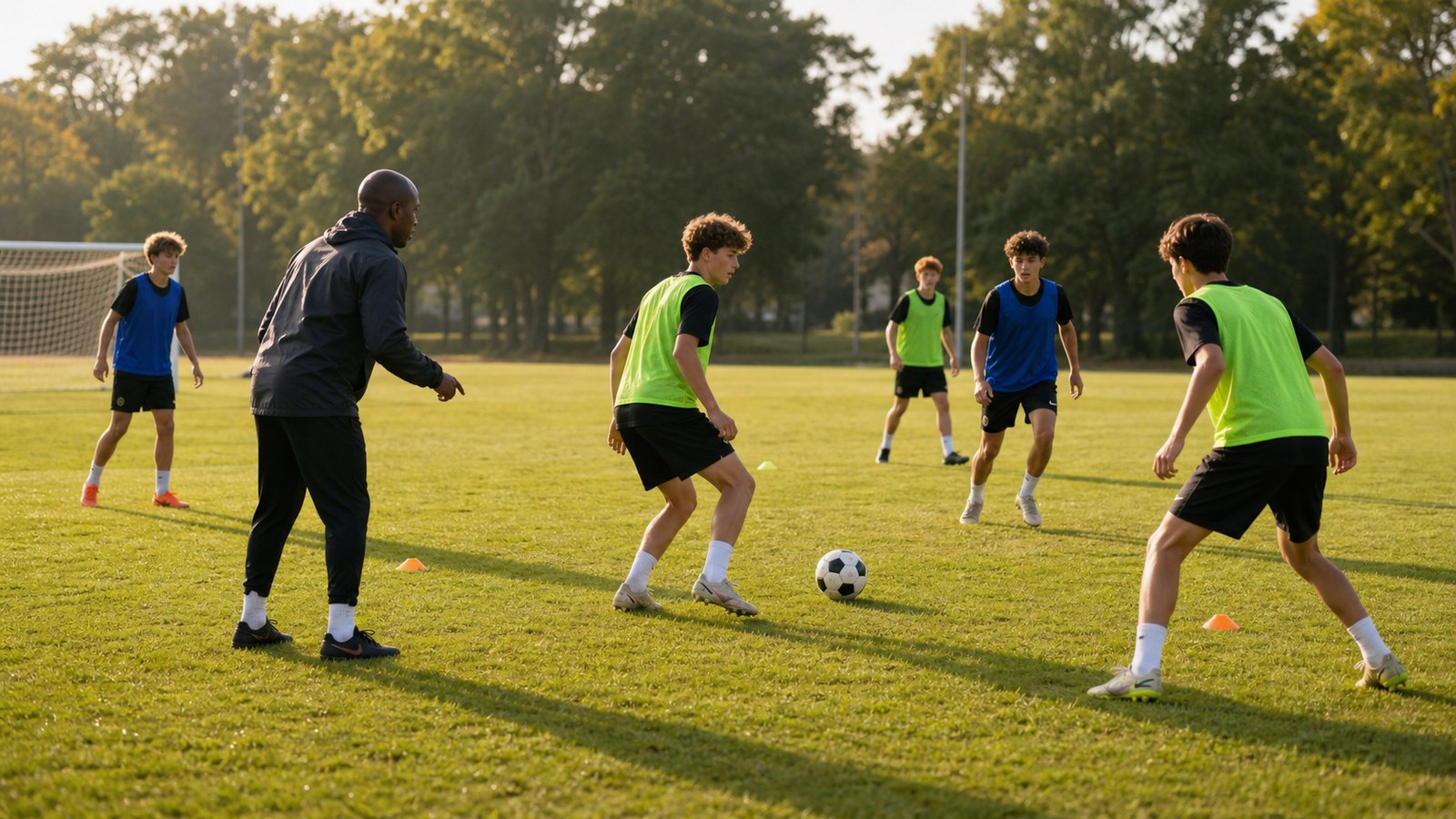
On the training ground, this idea has to be broken into cues players can repeat. Coaches often begin with unopposed spacing, then add passive pressure, then create live scenarios where the wrong decision has a cost. The goal is not to memorize a diagram. The goal is to make the next movement feel natural when the ball, opponent, and scoreline all change at once. In How Elite Academies Develop World-Class Soccer Players, this matters because academy environments that connect technique, habits, and competitive intelligence has to remain useful after the opponent adjusts. The best version gives players a stable reference without taking away their ability to solve the moment in front of them.
How Elite Academies Develop World-Class Soccer Players also has to be judged through individual detail. That detail changes how teammates support the ball, how quickly the team can recover, and whether the opponent is forced into the uncomfortable areas the coach wants to target. The lesson becomes clearer over ninety minutes because the same structural demand appears in buildup, defensive transition, pressing recovery, and late-game management.
Matchday Adjustment Window
On matchday, the system has to survive emotion. Early success can tempt players to take bigger risks, while an early mistake can make them retreat from the plan. Coaches watch whether the distances remain stable after a goal, a substitution, or a spell of pressure. If the structure still produces sensible choices in those moments, it has real value. In How Elite Academies Develop World-Class Soccer Players, this matters because academy environments that connect technique, habits, and competitive intelligence has to remain useful after the opponent adjusts. The best version gives players a stable reference without taking away their ability to solve the moment in front of them.
How Elite Academies Develop World-Class Soccer Players also has to be judged through competition rhythm. That detail changes how teammates support the ball, how quickly the team can recover, and whether the opponent is forced into the uncomfortable areas the coach wants to target. The lesson becomes clearer over ninety minutes because the same structural demand appears in buildup, defensive transition, pressing recovery, and late-game management.
Academy environments that connect technique, habits, and competitive intelligence becomes clearer when the team repeats the same cues under pressure. The strongest sides do not rely on one dramatic action; they make the ordinary next step predictable for teammates and uncomfortable for opponents. That repeatability is why tactical systems should be judged by habits, not by a single freeze-frame or a formation graphic before kickoff.